#AugustBreak2013, Days 10-16

For explanation of these posts, click here.

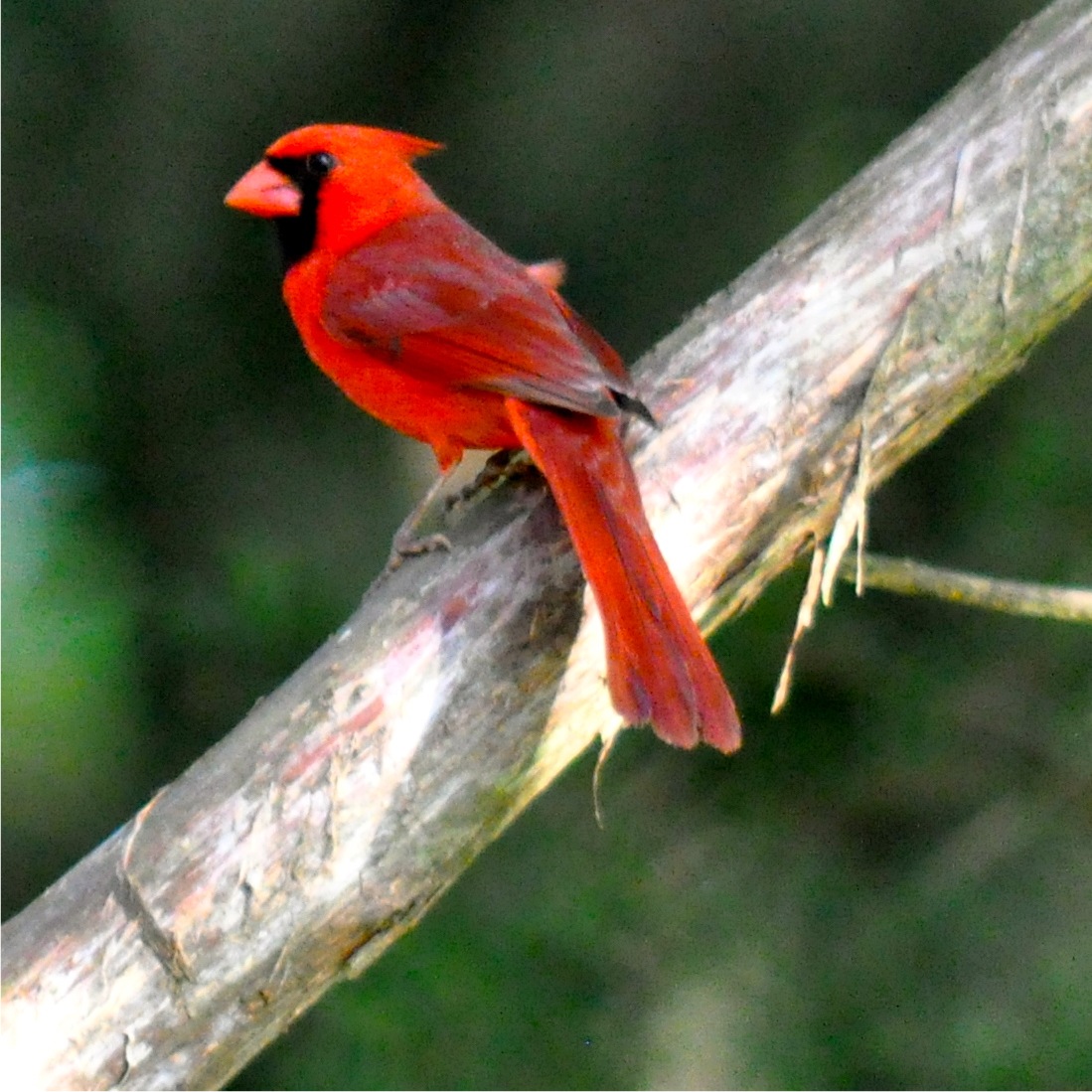
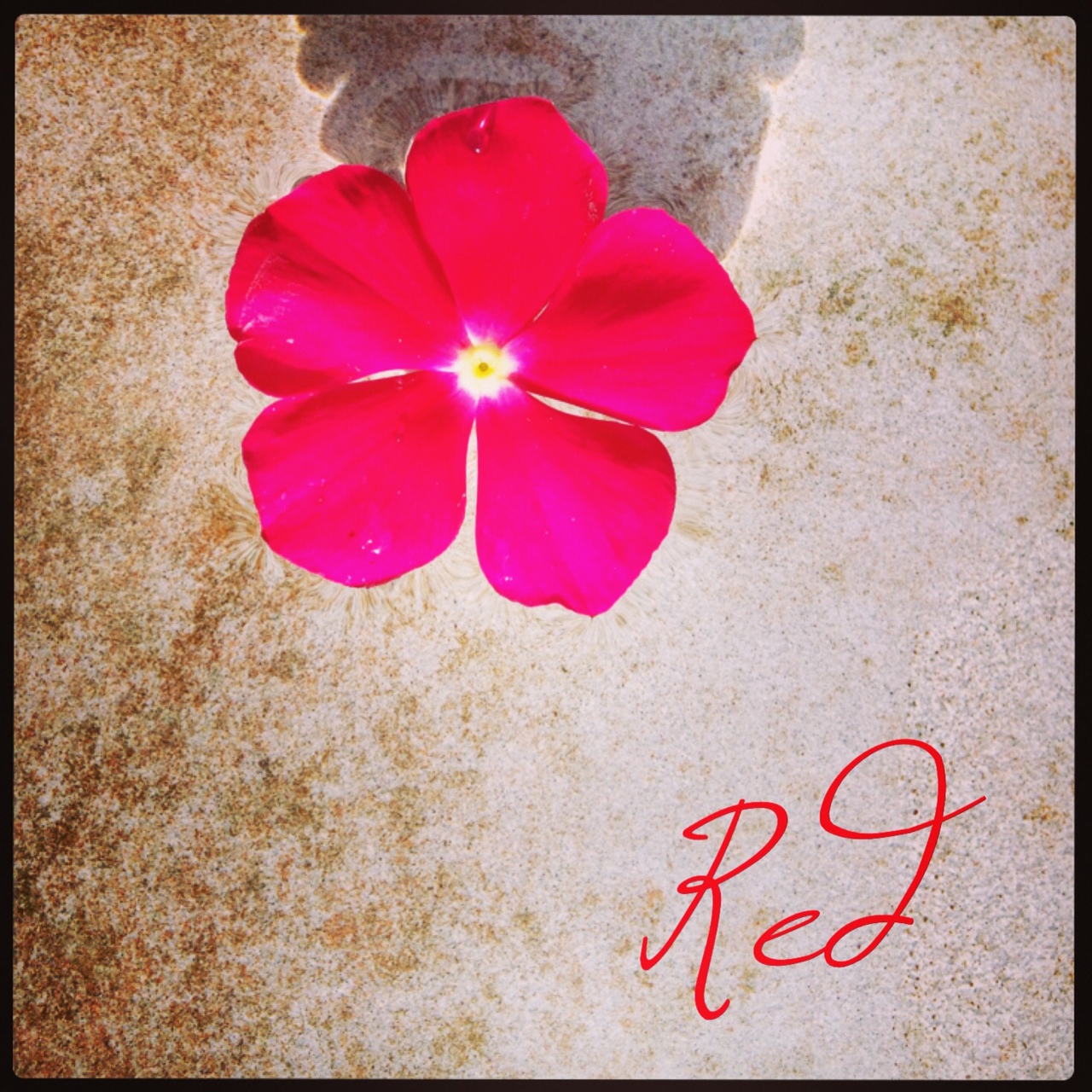
Red

photo-31

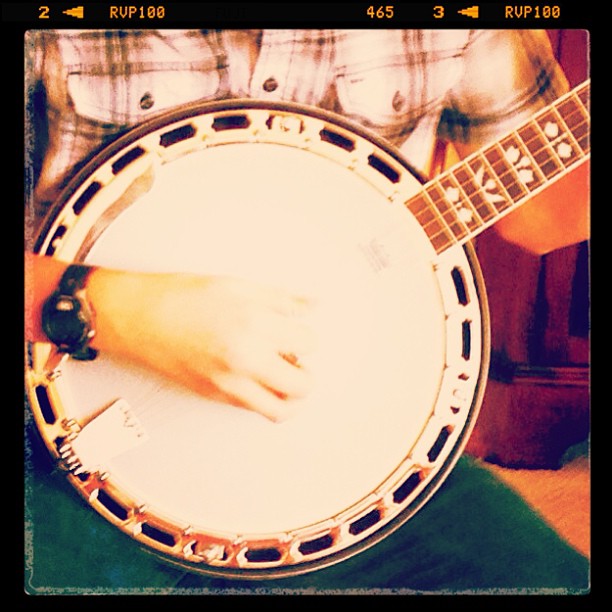
Play (my nephew playing the banjo last weekend)

9e91c934081211e3980b22000ae911a9_7

Far Away (love all the trees in our back yard)

7582f572081211e3a52022000a1f9e5e_7

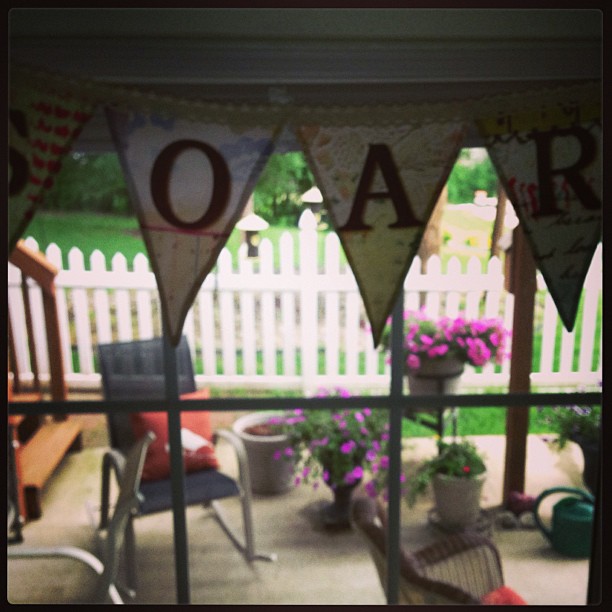
Home (looking out onto our back patio)

288cbbec086011e3bb0922000a1fbf4a_7

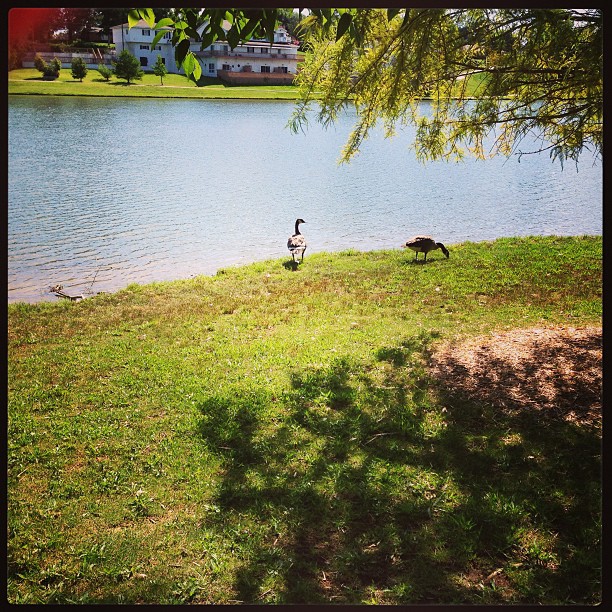
Stillness  (one of the parks we go to)

d4462984085e11e3896522000a9f15e3_7

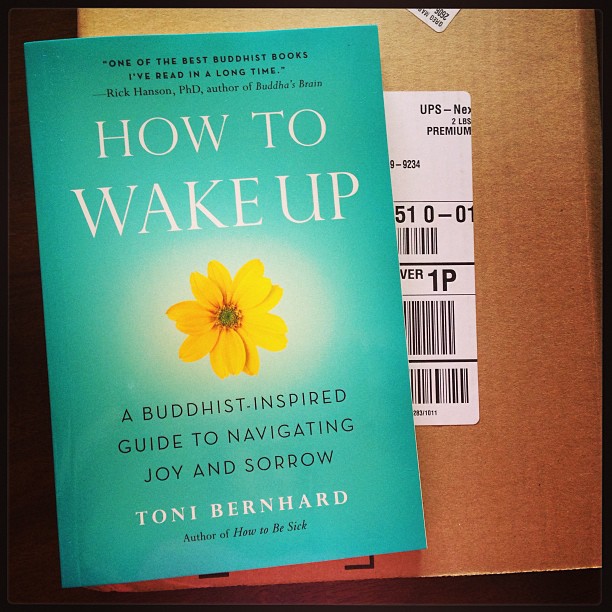
Books (read most of this over the weekend)

5f06c0b2081211e3aeda22000a1f973b_7

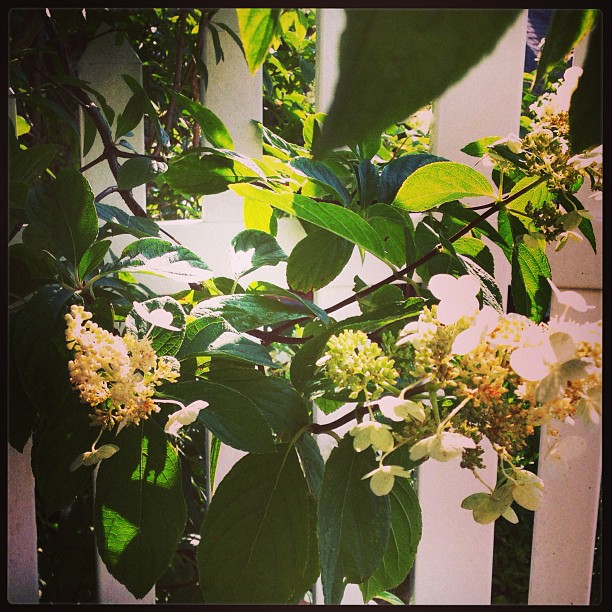
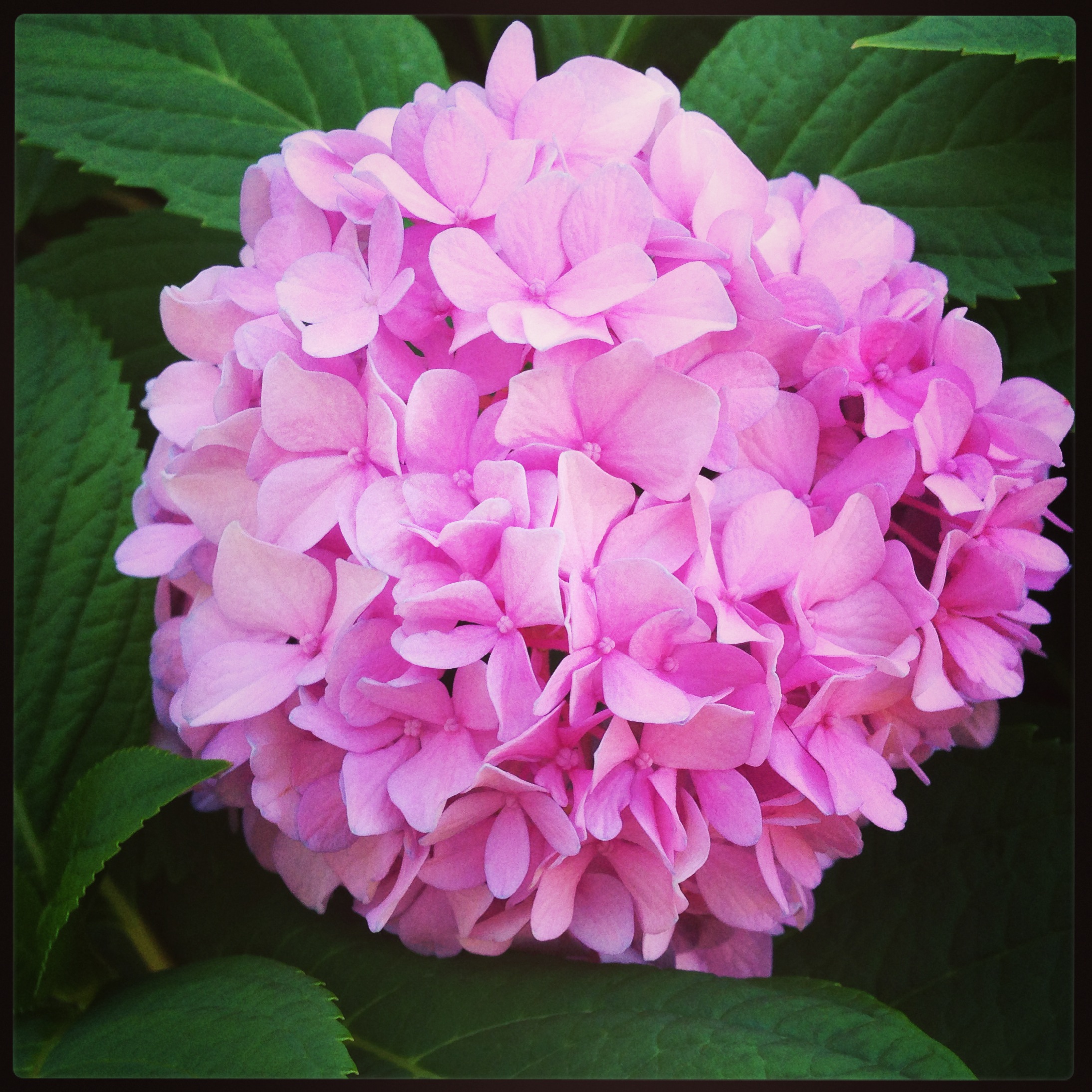
Floral (in our back yard)

89b3f1fe085d11e3a2ad22000a9e17ad_7

50 is the new 60

30-40-50-60-thirties-forties-fifties-old-birthday-ecardI don’t mean to sound negative, but I’m tired of hearing that 40 is the new 30, and 50 is the new 40.

I’m 51 and I feel like 60.

I exercise. I eat fairly well. I take my Centrum Silver one-a-day vitamin. But anyone with chronic health problems will tell you,  the everyday struggles can age you.

I wanted to write a whole post about this, but I lost steam. So instead, I’m rereading some of my own blog. Here are a few posts on taking care of yourself when you’re in pain, or just not feeling well for whatever reason.

Tiny Dreams A reminder to those of us struggling with chronic pain or illness of the need to adjust our expectations (dreams) to fit our current reality. Very short post, with some really nice comments.

People tell you to dream big

but maybe it’s the tiny dreams that matter.

Sometimes my dream

is just to make it through the day.

Coping with Chronic Illness…Compassionately My interview with author of How to Be Sick, Toni Bernhard (be sure and read the whole interview; Toni is awesome):

I always tell people that the single most important thing they can do is to be kind to themselves. I look at it this way. We control so little in our lives, but the one thing we can control is how we treat ourselves. I see no reason for us not to be as kind and gentle with ourselves as we can be. It’s not our fault that we have health problems. We’re in bodies and they get sick and injured. It will happen to everyone. This is how it’s happening to us. I’ve had so many people write to me and say the single most important thing they got out of my book was to give up the self-blame and forgive themselves for being sick or in pain. Many people have said they didn’t even realize they hadn’t forgiven themselves until they read How to Be Sick. Those emails always touch me so much — just to know I’ve been of help to them.

Leaving Judgment Behind A post about a story I told to my husband, who then told it to someone at work, and how it made a difference.

My influence may be less direct, but no less meaningful. And maybe it’s not about producing a quantity of work…maybe its about being as compassionate as I can be, to myself and others, and seeing where that leads me.

A Horse with No Name A quirky little post where I lament that there’s no colored ribbon or bracelet for people without a firm diagnosis.

I’m thinking about all the people who aren’t sure what’s wrong with them. They’ve been to specialists, had all the tests, and carried their MRIs down many a hallway.  I  wish there was a ribbon for people like us. I even went to a paint store to look at paint chips, in hopes of finding the perfect color name for our ribbon. The best one I found was “Mysterious Mauve.” It’s a subtle mix between gray and purple. Beautiful.

Today, know that I believe you. I know you’re not crazy. Doctors do the best they can, but they’re human, too. They make mistakes. They don’t have all the answers. They don’t always have a name for what we have, but that doesn’t make it not real. As Toni said in her interview, “The single most important thing we can do is to be kind to ourselves.”

And maybe 60 isn’t so bad; with age comes wisdom.

I “hang out” the most on Facebook. I’d love it if you join me! You can click here or over on the side (no one ever sees it over there).


Self-Compassion and Setbacks

madewithover-12I originally wrote this for Psychology Today, but I think the information may also be useful to my awesome readers here.  Haven’t we all had the experience of trying to change something–maybe exercise more, quit smoking, or eat healthy? We do great for awhile and then boom, we “mess up.” How do we keep a setback from turning into a major relapse, and along with it, feeling awful about ourselves? Here are some gentle suggestions (on Psychology Today, they’d be called “tips.”  Oh, and they’d also be numbered.)

Expect setbacks. Change takes time, and often frequent tries. For example, according to the U.S. Centers for Disease Control and Prevention, most smokers require 5 to 7 attempts before they finally quit. Did these people fail the 5 to 7 times prior to the final cessation of smoking? Or were these attempts part of their eventual success? Consider thinking of all of these tries as part of the process. It’s all good.

Check your stress level.  An increase in physical or mental stress may be the culprit. For example, if you’ve been sick with the flu, your resistance may be lowered leaving you more susceptible to setbacks. Other kinds of stress, such as work or family problems can leave you feeling drained and less able to cope.

Follow your self-care policies. I’ve learned the importance of making my self-care activities a priority by writing them down, almost like a policy. Everyone’s “policy” will vary, but mine includes things such as getting enough sleep,  time outside in nature, etc. Too often, when we get busy, the things we need the most are the things we let slide. This makes us very vulnerable to a setback. (Here’s a list of over 80 self-care ideas.)

Keep practicing. If your recovery or behavior change plan  involves specific activities—journaling, meditating, walking —make sure you don’t stop doing these things, even if you’re doing well. Sometimes it’s the good times, not the stressful times that take you off guard. Author Judi Hollis makes an apt analogy: “The tight rope walker, so well practiced he almost performs while sleeping, is the one facing slips or near misses. The newly trained aerialist or acrobat exhibits stringent caution. It is the seasoned performer, lulled into false confidence, who takes the fall.”

Identify your personal warning signs. You might notice an increase in physical symptoms, such as a frequent upset stomach, headaches or heart palpitations. Maybe you notice a lot more negative self-talk. Perhaps you find yourself drinking more, worrying, or being irritable. Everyone’s early warning signs will be different, but it’s important to notice any possible patterns.

Recognize it early. This follows closely with identifying your personal warning signs. The sooner you can catch yourself in a setback, the sooner you can get yourself back on track.

Recommit. Remind yourself of your goals and what you deeply care about. Recommit yourself to doing activities aligned with your values. Don’t give up!

Realize you’re human. Psychologist and author Kristin Neff identifies a sense of shared humanity as one of the three main components of self-compassion. We’re all imperfect; it’s part of being human. Remind yourself that setbacks happen to everyone.  It’s okay to make mistakes. You’re not alone.

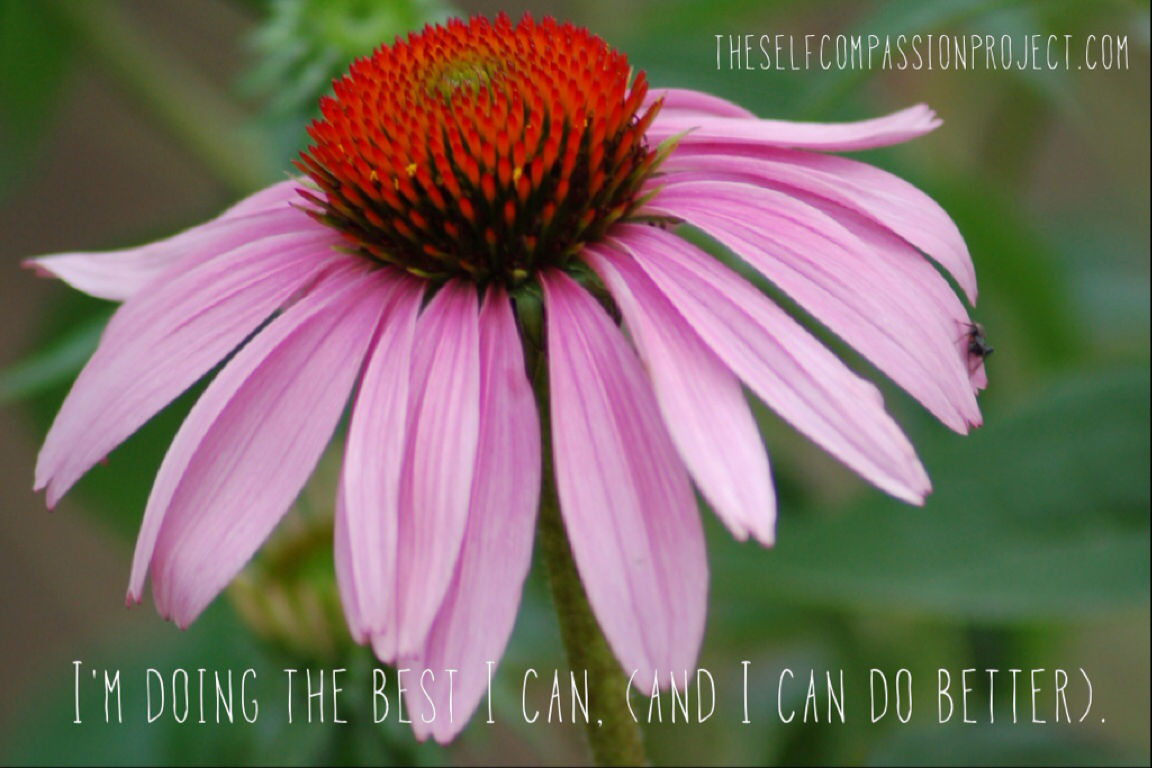
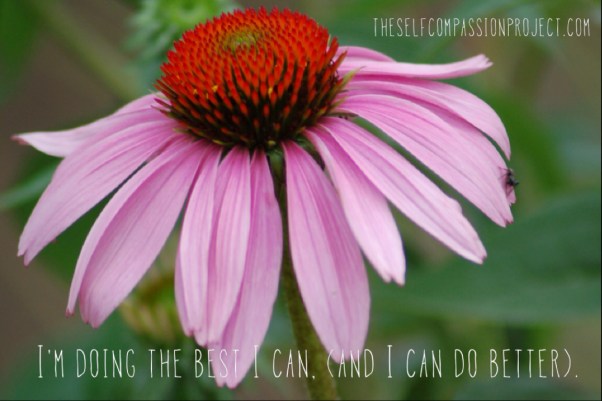
Live in the gray. Life is a paradox. I like to remind myself that I’m doing the best I can at any given moment, AND I can do better. It’s not a beating-myself-up kind of “I can do better” but a gentle nudge.

Seek out support. If you’re feeling badly about yourself for “screwing up,” your first instinct may be to hide in a hole. But this is exactly the time when you need to reach out to your support system. And if you don’t have one, you just need to look on the Internet and do a little searching, and you’re sure to find someone going through a similar situation.

Remember, life is not linear. Don’t think you have to progress in a perfectly linear fashion. Most people cycle in and out of change. As writer and creativity coach Jenna McGuiggan notes, life is often “one step forward, two steps back, and three to the side for good measure.”

Give yourself credit. Remind yourself of the steps you’ve taken, regardless of how small they might seem to you. I’ve always liked this Chinese proverb: “Be not afraid of going slowly, be afraid only of standing still.”

Don’t let it snowball. Relapse prevention experts use the term abstinence violation effect (AVE) to describe a particularly dangerous form of black-and-white thinking. The classic example is the person on a diet that eats something not on the plan, and then thinks, “What the heck, I’ve already blown it so I might as well keep on eating.” Be on the lookout for this. Try self-soothing statements such as: “It’s okay. One slip up doesn’t mean I have to throw in the towel.” This is not a time to berate yourself. Instead of piling on the criticism, calmly tell yourself that something needs to be adjusted. Maybe you’re being too rigid with yourself… Maybe you need to back off a bit…

You can always begin again.This is the most powerful message I’ve learned from studying meditation. I am a complete novice, yet I’ve already gained so much. Sharon Salzberg, author of Real Happiness, talks about this idea of “beginning again”. When meditating, our mind begins to wander. This is normal and to be expected. What matters is what we do when it happens. This is, as she says, “the magic moment”. Do we beat ourself up? Do we tell ourself we’re a failure? Do we give up and say it’s too hard? Or, do we learn that we can bring our attention back, with gentleness and kindness, again and again? To me, this is a metaphor for life. We don’t have to wait until Monday to start eating healthy again. We can make the choice to honor our intentions with the very next bite of food we put in our mouth.

Regardless of our goals, slow and steady progress, even with a few setbacks sprinkled in, works just fine.

#AugustBreak2013: I’m Already Losing Interest

See explanation of these August Break posts, here.

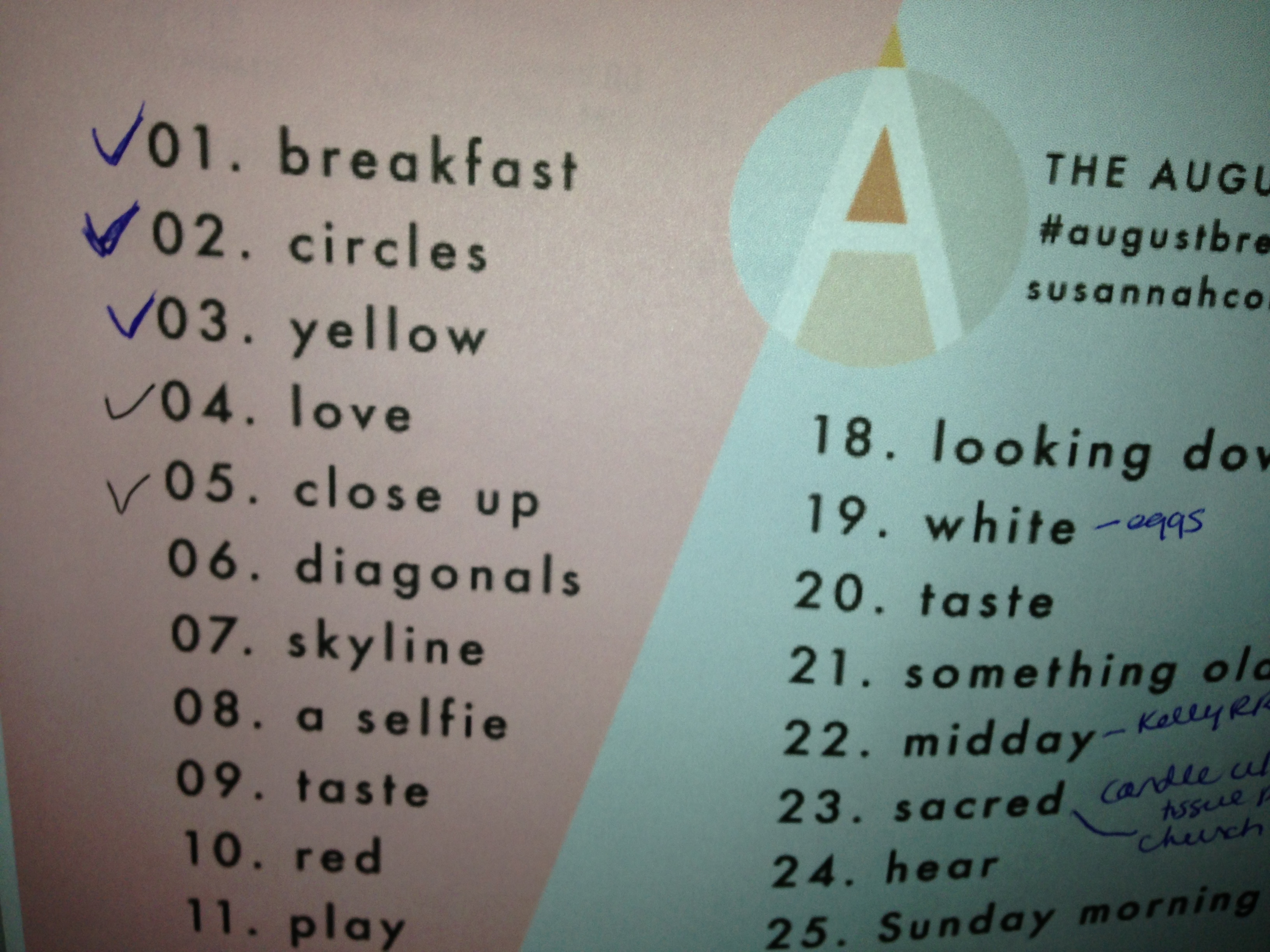
I’m already feeling behind.  I barely know what day it is, much less what photo prompt I’m “supposed” to be on. There are so many fun projects on the Internet. They sound good when I read about them, and I approach them like photo-23most of the things I do: with a bit too much seriousness. As you can see to the left, I printed out the prompt list and have put check marks by the ones I’ve done, and have notes about ideas for prompts coming up. But for whatever reason, I lose interest and have definite trouble with follow through. “Why did I think this would be fun?” (Oh, I just remembered the One Little Word project…haven’t touched that since January or February!)

Like many things, I turn what are supposed to be fun projects into a chore. This is clearly an “issue” for me; however, I don’t feel like analyzing at the moment. It’s Friday night and my brain is shot. I’m just going to post the pictures I have, and not worry about it.

Diagonal

noname-16

Skyline (Missouri State Capitol)

DSC_0061 5x7

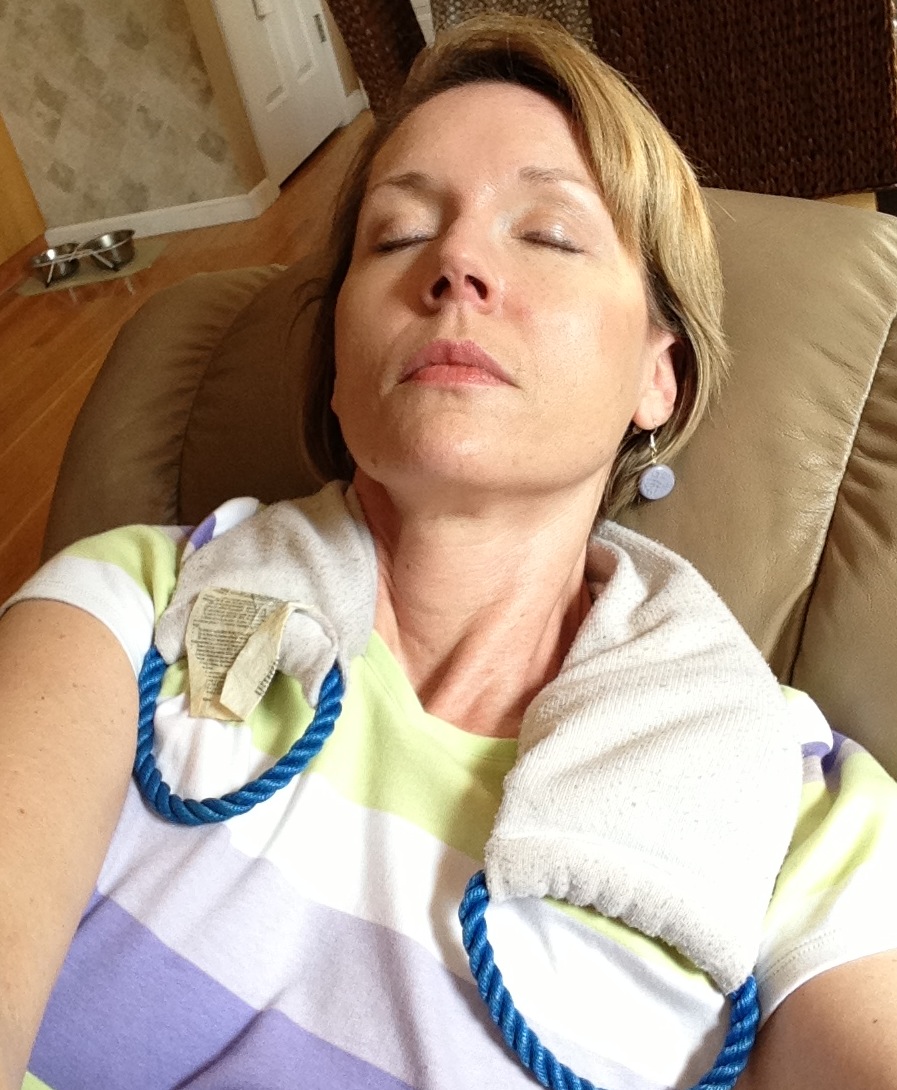
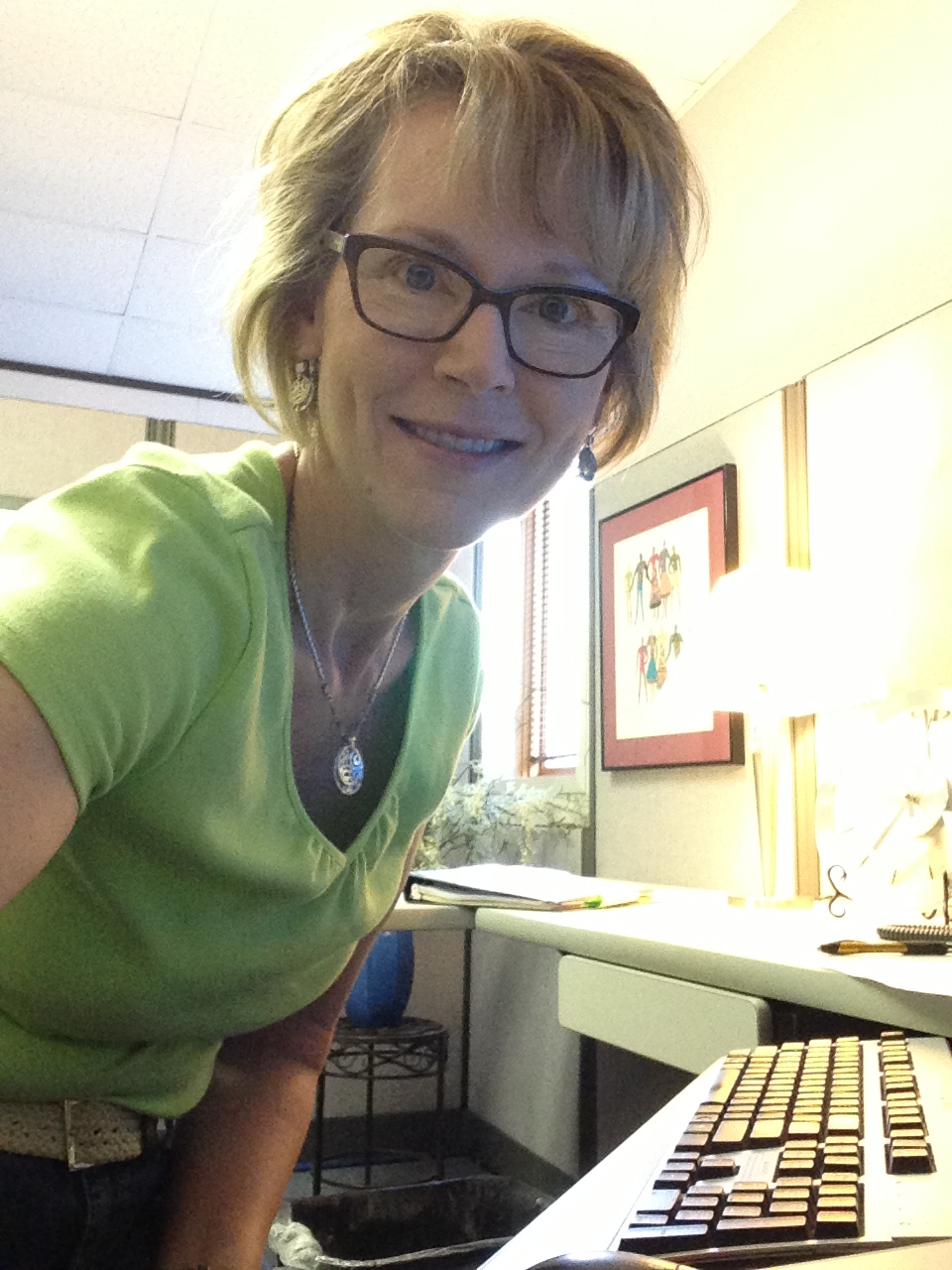
A Selfie (hate that word)

This is me with a heat pack around my neck.

I wish I had something cuter to post, but this is real life.

photo-24

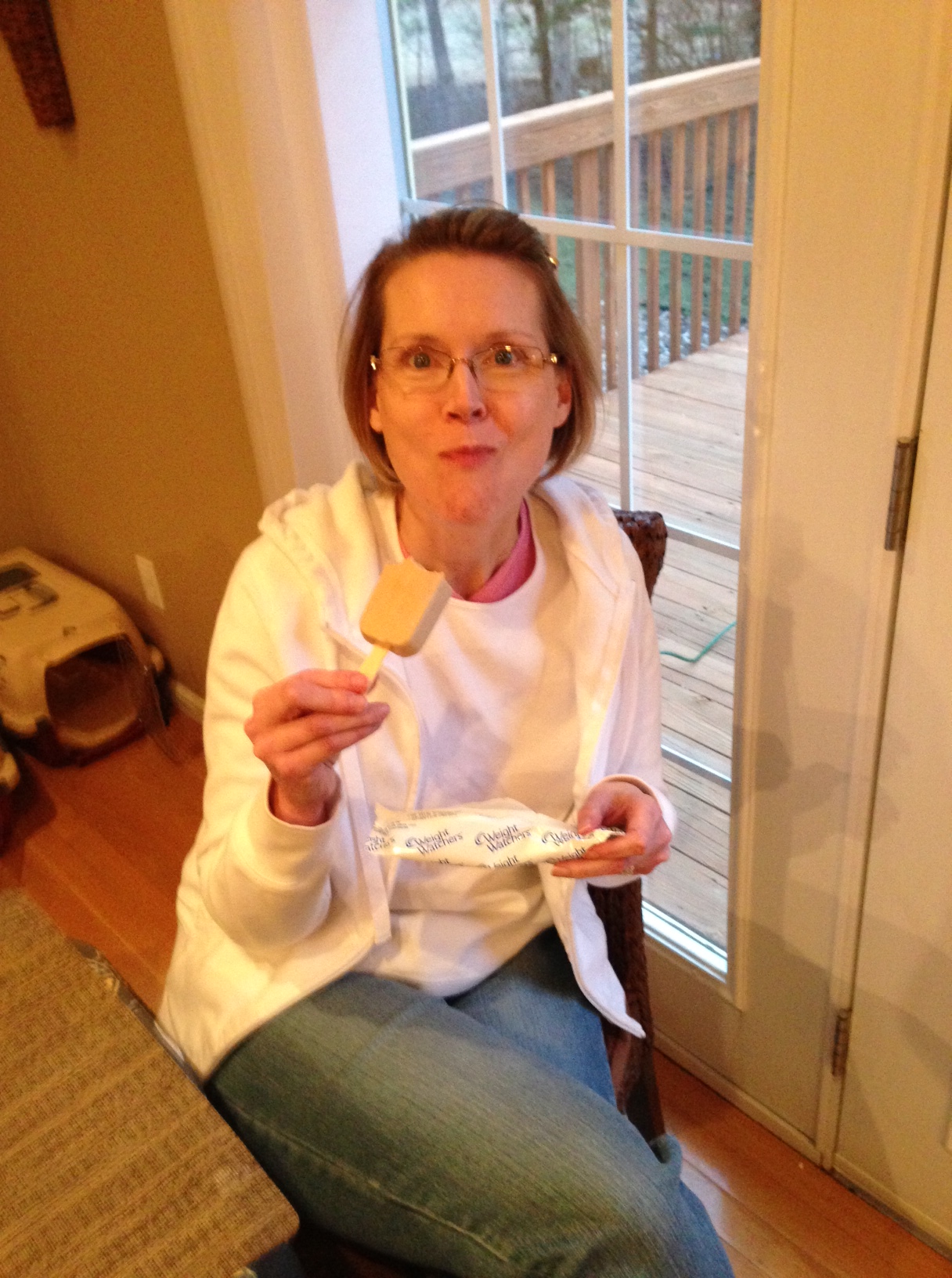
Taste (This is a silly picture of me eating an ice cream bar.)

photo-25

Okay, I’m feeling really self-conscious now. I usually only post pictures I like of me. Oh well, I can always delete them tomorrow!

August Break 2013: Close Up

You can read about the August Break series here.

Pictures from our evening walk

photo-19photo-20photo-21Maybe this one doesn’t go with the “close up” theme, but it’s cute.

August Break 2013, Day 4

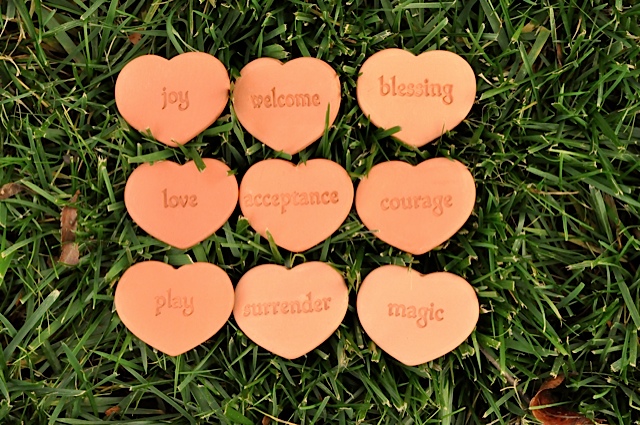
banner4The prompt today is Love. You’d think this would be an easy one, but I had a hard time narrowing it down and deciding what to post. I decided I’d share a little bit about the clay hearts you see on my blog header and on my Facebook page. My sister-in-law, Sister Caroline, a nun with the School Sisters of Notre Dame, gave them to me. She uses them in her devotional time and gave me a set many, many years ago. I just googled “Purple clay hearts” and found them online!

Here’s what it says about them:

By combining heart, the shape we use for the hearthstones, and earth, the material used to make the hearthstones, the word hearth is created. These simple, hand-made terra cotta clay hearts come in 56 different attitude-words. Each rich, purple velvet bag contains 25 randomly selected hearts. Their popularity has spread by word of mouth all over the world and used as a daily focus for people who have found the Hearthstone experience an easy, fun and even profound way to experience guidance, affirmation and encouragement for their daily walk.

When I had a psychotherapy practice, the little hearts were nestled in a basket on a coffee table. Some people ignored them; others were fascinated by them. When I left my last job and had to end therapy with people (which was SO hard), I gave a lot of the hearts away to my clients. I wanted a little bit of me to go with them. When I told my sister-in-law I missed them, and she got me another set!

One person commented on my blog that they looked like yummy cookies!

noname-5

August Break 2013, Days 1 – 3

I just found out about Susannah Conway’s August Break. She describes it on her blog: Each day, for the whole of August, you take a photo and share it on your blog. You can add words if you want — or not. You can use any camera. You can share a series of photos, or miss a day out, or just post on weekends. There are no real rules, basically. This is all about being present and enjoying taking photos just for the hell of it.  She provides prompts for each day.

A big thanks to Jill at  A Thousand Shades of Gray for clueing me in about this project.

Day 1: Breakfast

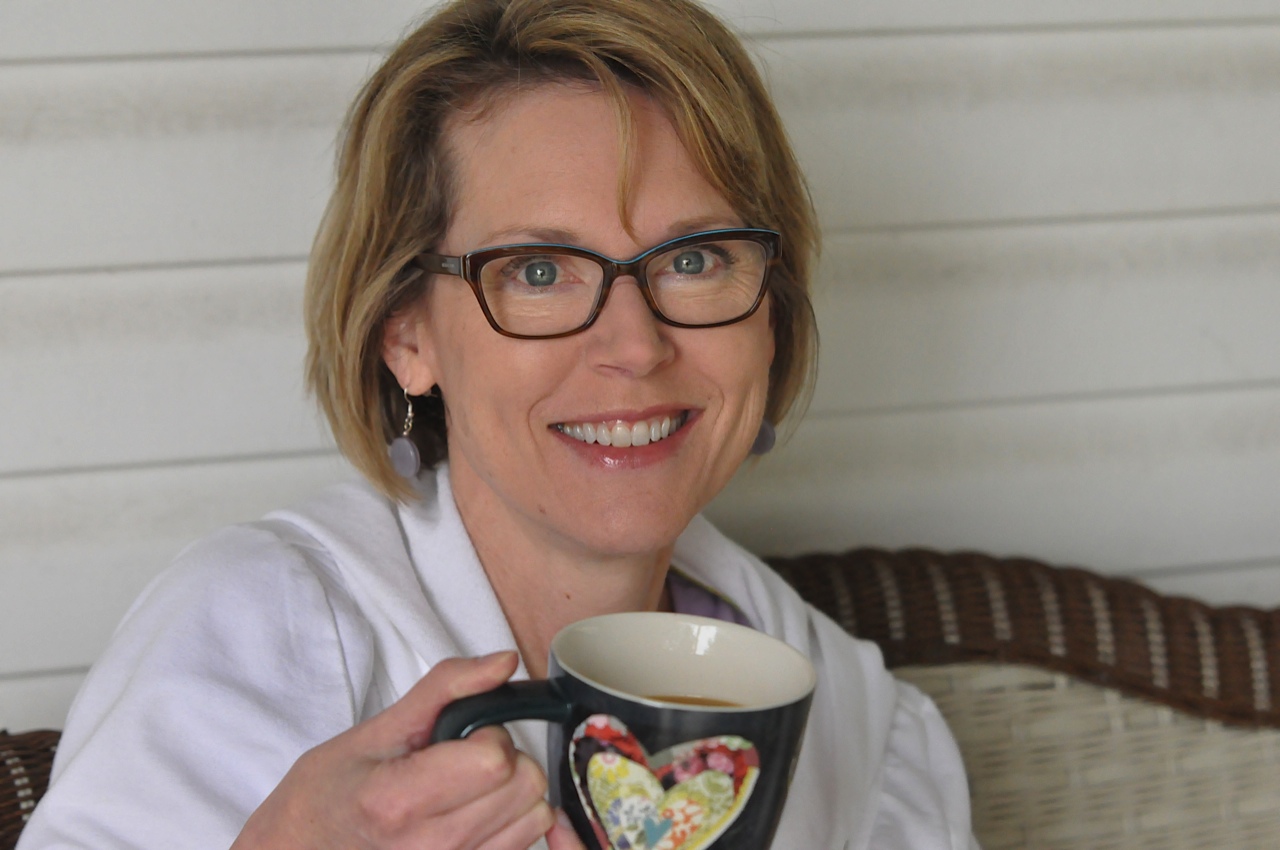
I don’t eat an exciting breakfast, usually instant oatmeal at work, so I thought I’d share a picture of my favorite mug instead. It’s a Kelly Rae Roberts mug. When you are done drinking your favorite coffee or tea  there is a surprise heart at the bottom to remind us we are loved.  On the outside is a heart with Kindness changes everything written 5 times at the bottom.

noname-15

Day 2: Circles (I had no shortage of circle picture ideas…)

noname-11

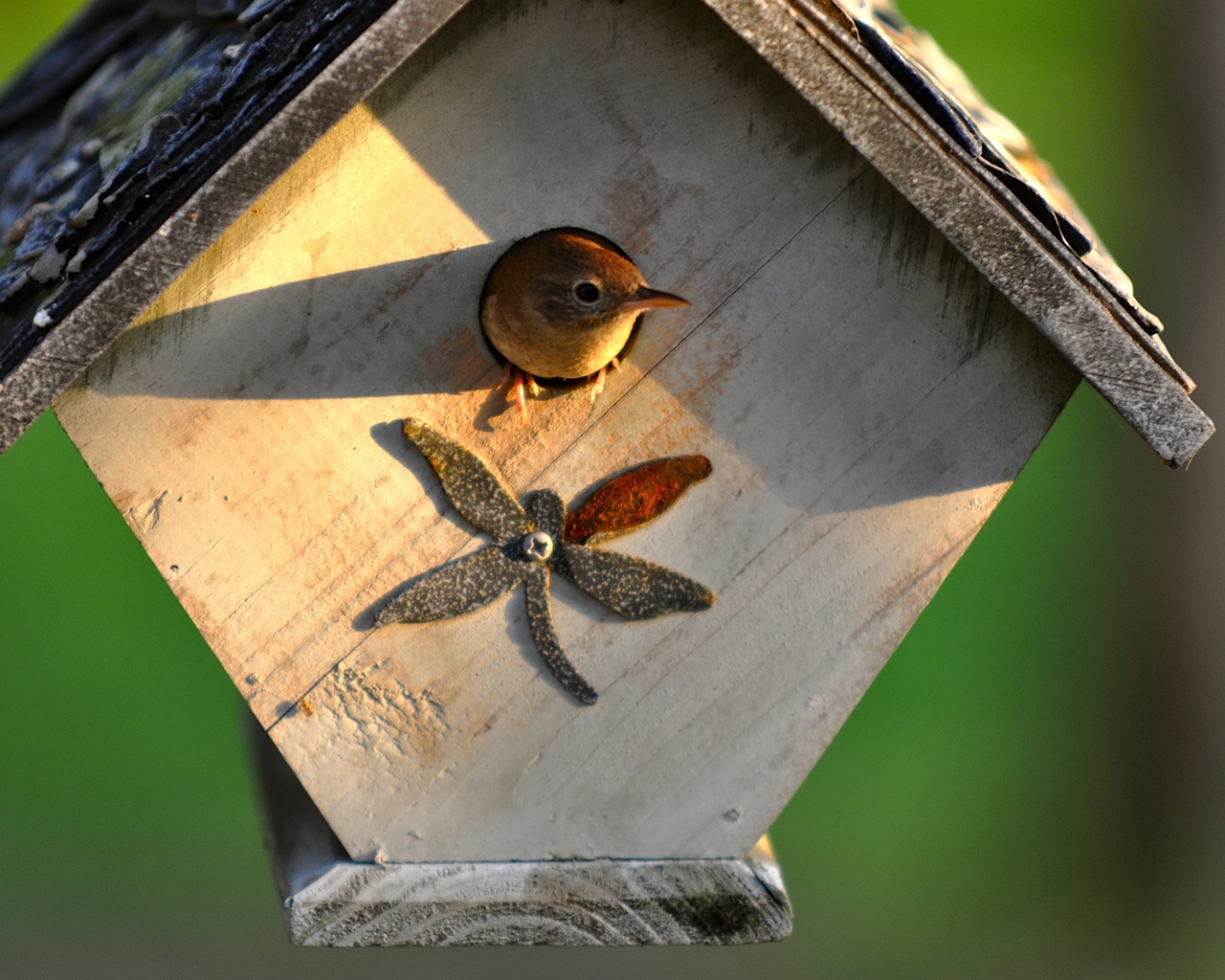
One of our wrens peaking its head out the (circular) window.

photo-17

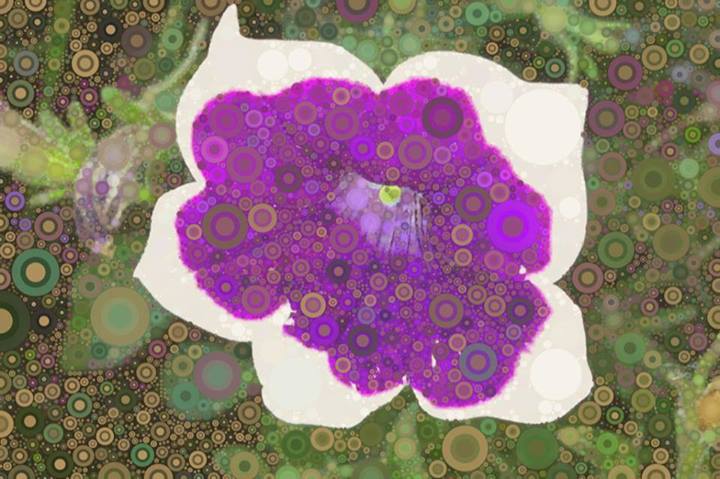
I took this photo and then used the Percolator app to create this. Lots of circles!

noname-13

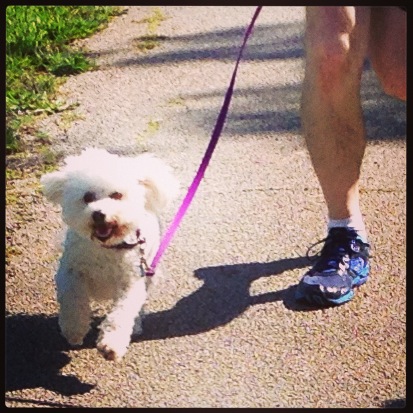
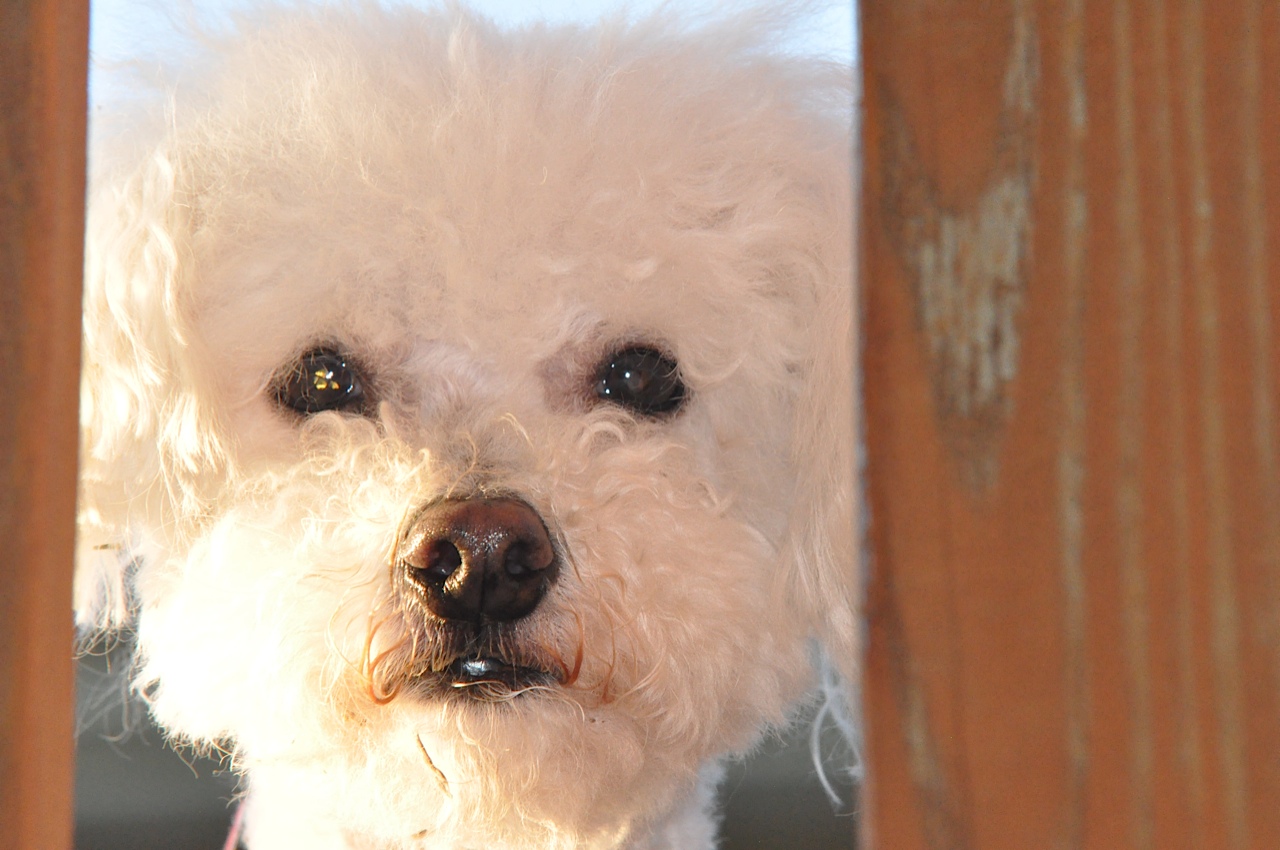
Lily and her pretty round eyes and cute round nose.

Day 3: Yellow 

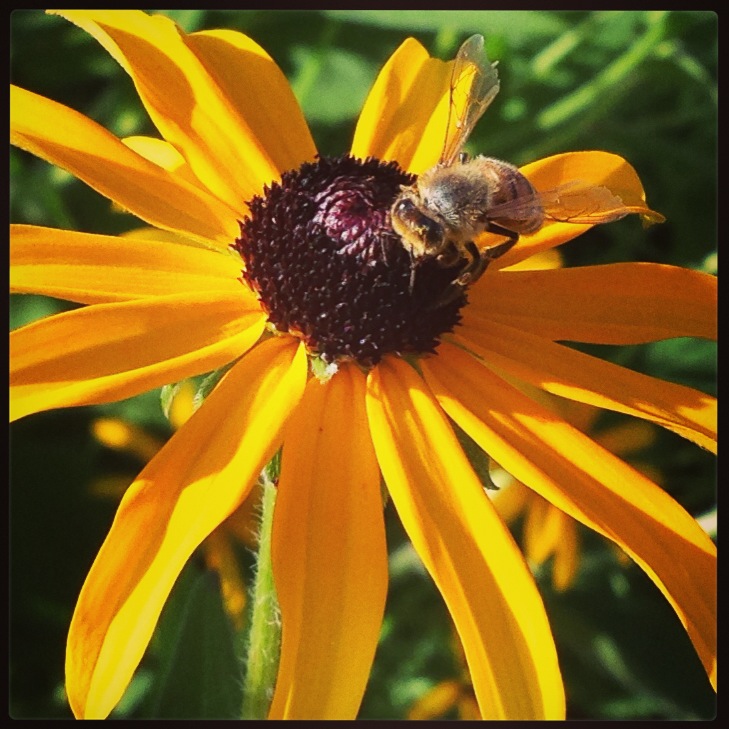
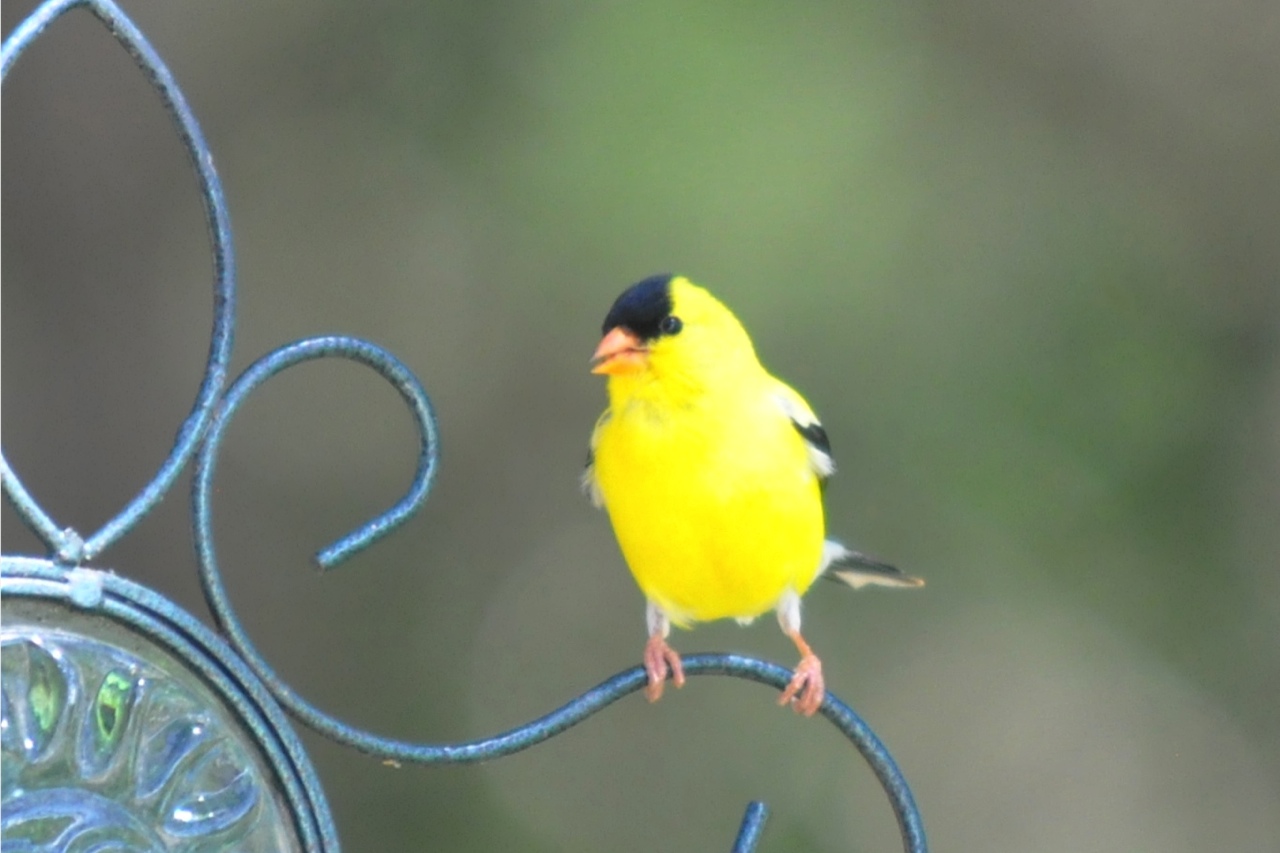
noname-14Love all the gold finches in our backyard!

Chronic Resilience

51QsZGoNEEL._BO2,204,203,200_PIsitb-sticker-arrow-click,TopRight,35,-76_AA278_PIkin4,BottomRight,-67,22_AA300_SH20_OU01_Why do I have chronic pain? It’s a question I’ve wrestled with for years now. I’ve been to surgeons who told me they could cure me, so I’ve gone that route–two back surgeries, one cervical and one lumbar. I’ve had a world-renowned physician tell me I had thoracic outlet syndrome (see this lovely post by my husband). I’ve had a physical medicine doctor tell me I had too little muscle between my shoulder blades and needed to work out more.  (Well, I’m stronger but I still have pain.) I’ve tried physical therapy. I’ve tried massage.  I’ve taken supplements and tried acupuncture. Recently I’ve had a doctor bring up the possibility of fibromyalgia.

In addition, being the psychologist that I am, I’ve explored every mental aspect of this pain thing. I’ve been to therapists and psychiatrists. I’ve read books that said I needed to release some anger.  I’ve learned to meditate and manage my stress. I’ll latch on to one theory, only to find another, and chase that one like a dog chasing after a rabbit. It’s exhausting, and not very productive.

Sunday I was having a bad day and the ruminating began. Why am I in more pain today? Did I sit too long in one position? Did I type too much? Did I work out too hard? Am I stressed out about something?

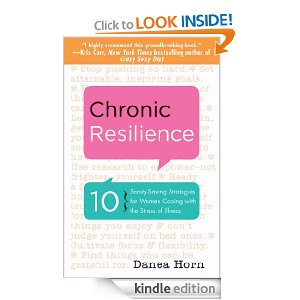
I tried to distract myself from my worry by surfing the Internet, and I stumbled across a soon to be released book called, Chronic Resilience: 10 Sanity Saving Strategies for Women Coping with the Stress of Illness by Danea Horn. Thanks to Amazon’s “Search Inside” feature, I was able to read some of the first chapter. It was so what I needed!

The author has a chronic health condition and had gone through similar soul searching. She writes, “I searched my psyche for feelings and thoughts that needed to be healed. I prayed to increase my faith…I read book after book, until I had a bookcase filled top to bottom with answers, none of which seemed to miraculously fix what I envisioned as broken.” Years later she asked herself, “Why am I still dealing with the same crap I’ve been dealing with for years?” (I really relate to that question!)

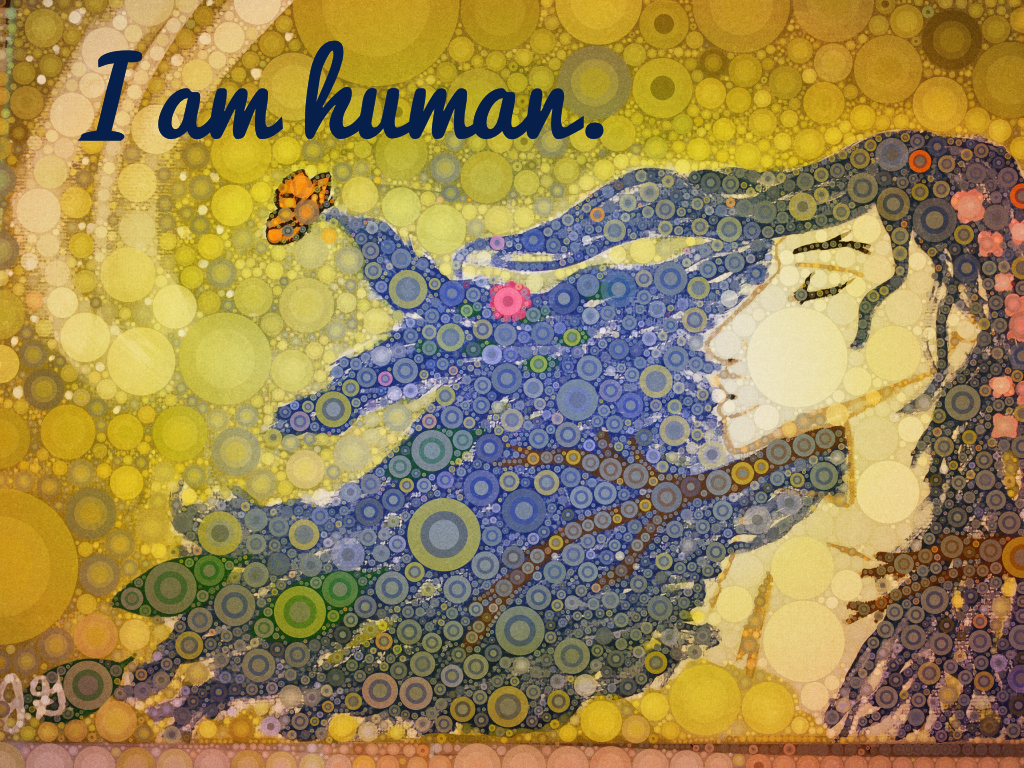
madewithover-10Then it hit her. The answer was simple: She realized that she was human. We come into this world with bodies that can get sick, experience pain, and eventually die. We do anything to resist these truths. We want to think we have more control than we do. She writes, “Each page I turned in all those books was a search for how to get out of being human.”

Of course, I know this. Yeah, I’m human. We’re all human. But somehow, reading her words, it hit me in a profound way. I didn’t cause this. I didn’t wake up one day and say, “Hey, I think I’ll spend the next seven or eight years going to doctors, having surgeries and taking pills.” I think far worse than the pain has been the questioning of my sanity.  (Although I do remember feeling kind of oddly disappointed when my last therapist told me I was normal–just a normal person with chronic pain.)

So, I am super excited to get her book (official release day is tomorrow, August 1).  I love the title, Chronic Resilience. When I first became interested in psychology, I wanted to know what made people go crazy. The more I learned, my question became, “Why don’t more people go crazy?” Life can be hard, yet people survive, and even thrive. From reading the sample on Amazon, reading an interview she did, and looking at the table of contents, the idea isn’t that we have no control. The idea is to let go of asking “Why?” and instead focus on, “What can I do that’s useful?” And for me, I think all this psychoanalyzing has gone too far.  The next time I get stuck in a worry groove asking “Why?” or  “What have I done?”, I’m going to gently tell myself, “Hey, you haven’t done anything wrong. You’ve already got the answer. You’re human.”

Ahhh. To use Danea’s words,  I can feel “all of the cells in my body let out a collective sigh of relief.”

Please join me on Facebook. There’s a button over on the side, but no one ever sees it.

Appreciating My “Regular” Job

In my online world, lots of people are talking about World Domination Summit (#WDS2013).  The people who attend are described as remarkable, adventuresome, creative…people who dream big, live large, and want to change the world.

Sometimes I get down on myself, thinking that I should be doing more with my life. Maybe I’m using chronic pain as an excuse. Why can’t I be at World Domination Summit?  Aside from hating the name “World Domination Summit,” I think it would be really cool to go, and most of all, to be one of those cool, remarkable people.

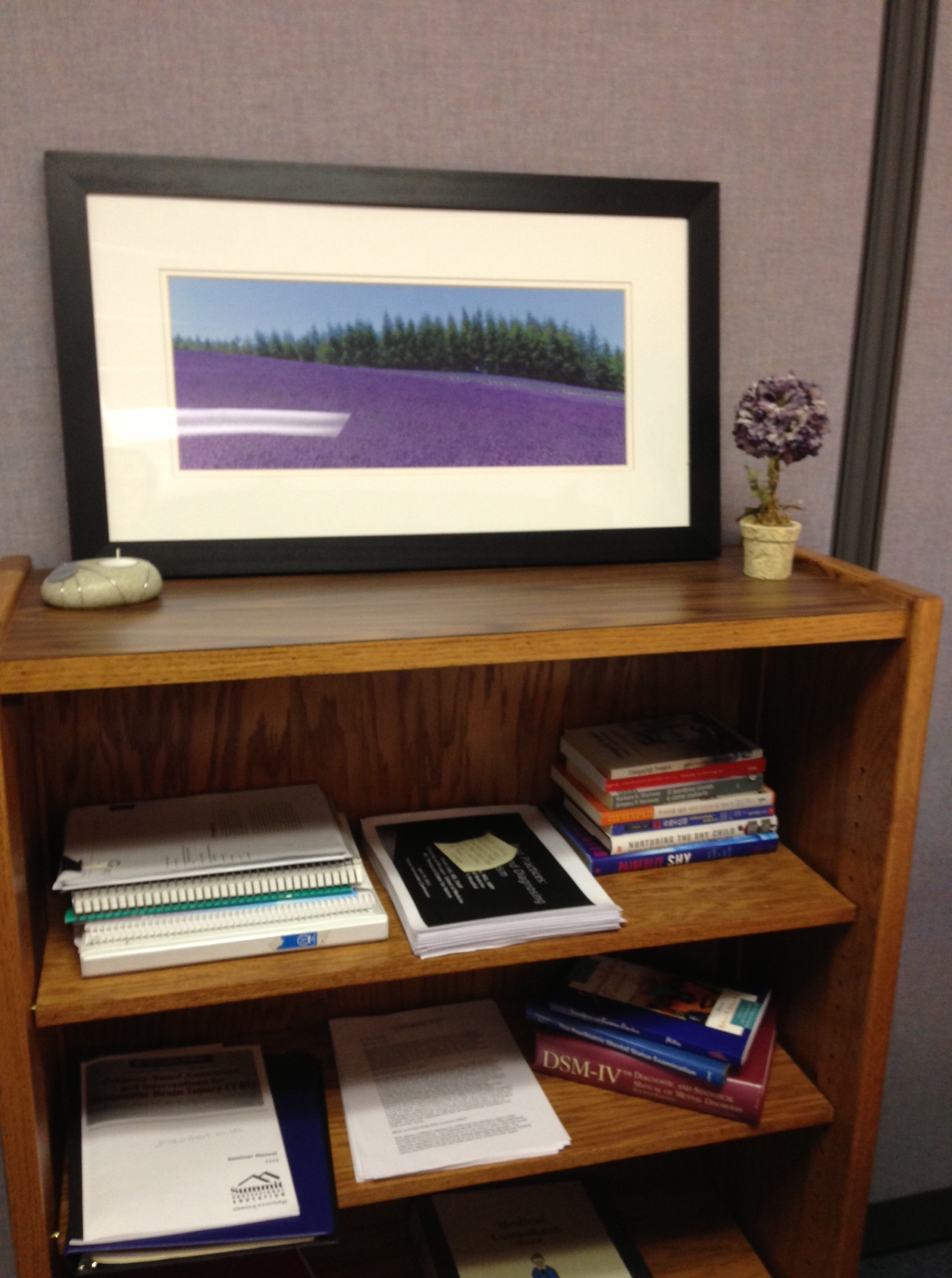
So today, it seemed like a good time to savor and appreciate my job (I’m a psychological/medical consultant for a State agency). I always get to work early, so I was able to take a few pictures of my work space without being conspicuous.

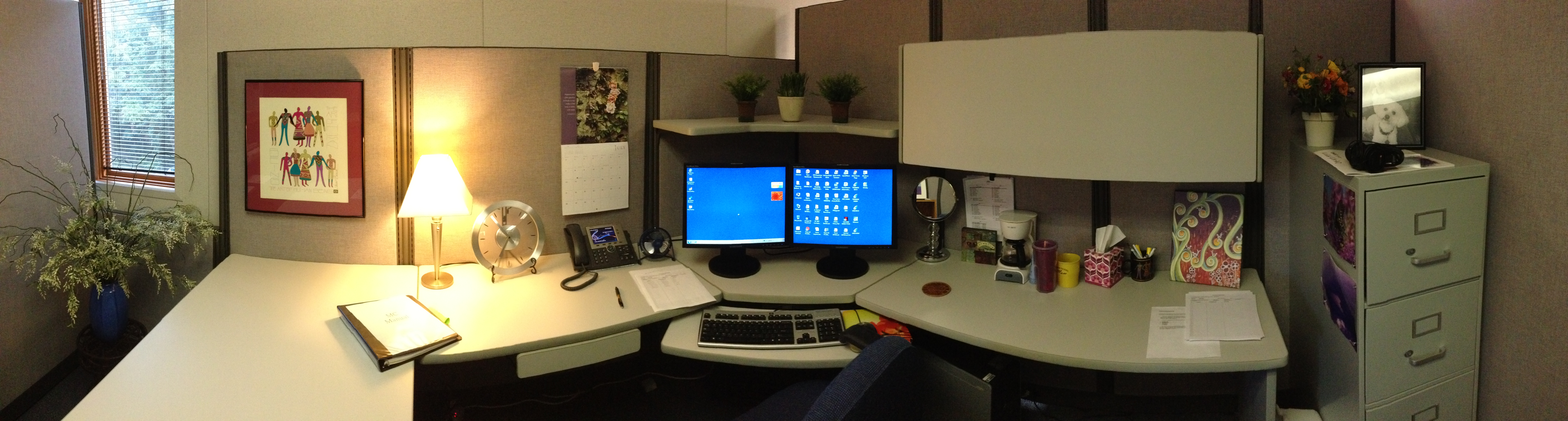
Here’s a panoramic view of my cubicle.

photo-7

As you can see, there’s a window, so I don’t feel closed in at all. If you notice the mirror on my desk, that’s so I can see when people come up behind me to talk.

photo-6Other things I appreciate about my job:

*I get a regular paycheck that I can count on.

*I don’t have to take my work home with me.

*I have limited paper to deal with, so I can keep my little cube clutter free.

*I work with nice people.

*I enjoy a lot of flexibility.

*Although I know all of my abilities aren’t being utilized, I do make important decisions that make a difference in people’s lives.

I’m glad we have people like those who attend World Domination Summit. But I’m also really thankful for all the people who work “regular” jobs…people who pick up the trash, deliver the mail, build our roads and houses, and perform all the other 9-5 jobs out there.

We’re all remarkable, in our own way. And we can all change the world, in our own way.  I become overwhelmed if I think of “dreaming big.” I have to think small. Mother Teresa said it this way:

We can do no great things,

only small things with great love.

So whatever you do, do it with love.  Oh, and a few more pictures of my cubicle. Oh, and one more thing.  Join The Self-Compassion Project on Facebook. Thanks for reading!photo-9

photo-8

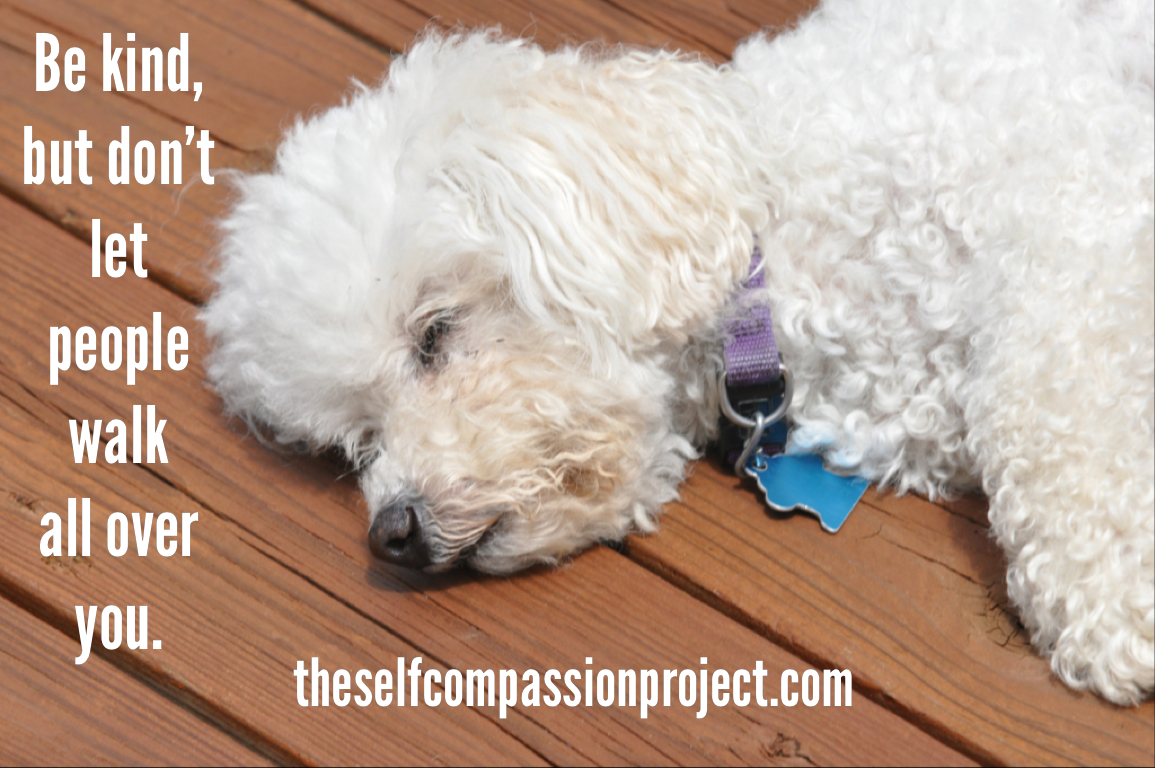
Be Kind, but Don’t Let People Walk All Over You

madewithover-4I have been collecting handouts for my own use and to give to clients for over thirty years. I’ve purged them many times, so only the best remain. This is one of them. It’s from a classic book, When I Say No I Feel Guilty.

Bill of Human Rights

  1. You have the right to refuse requests from others without feeling selfish or guilty.
  2. You have the right to feel and express anger and other emotions.
  3. You have the right to feel healthy competitiveness.
  4. You have the right to use your judgment in deciding your needs.
  5. You have the right to make mistakes (not the same old ones – but new ones).
  6. You have the right to have your opinions and ideas given the same respect and consideration others have.
  7. You have the right to ask for consideration, help, and/or affection from others.
  8. You have the right to tell others what your needs are.
  9. You have the right on some occasions to make demands on others.
  10. You have the right to ask others to change their behavior.
  11. You have the right to be treated as a capable adult and not be patronized.
  12. You have the right to not automatically be assumed wrong.
  13. You have the right to take time to sort out your reactions – to use your time space rather than others’ time space.
  14. You have the right not to have others impose their values on you.
  15. You have the right to judge your own behavior, thoughts and emotions and to take responsibility for their initiation and consequences upon yourself.
  16. You have the right to judge if you are responsible for finding solutions to other people’s problems.
  17. You have the right to change your mind.
  18. You have the right to say I don’t know.
  19. You have the right to say I don’t understand.
  20. You have the right to be illogical in making decisions.
  21. You have the right to say I don’t care.

Do you have any favorites? (I like #20) Any you don’t agree with? (I don’t know about #5–I make a lot of mistakes more than once before I finally learn.)

Hope you join me and others on The Self-Compassion Facebook page.

Smith, Manuel J., When I Say No I Feel Guilty. Dow press. 1975 (and reprinted many times).

*As a side note, I remember exactly when I got this handout. I was in an assertiveness training/therapy group for women while I was an undergraduate at Valparaiso University. The counseling center was in a charming old house on campus, full of old comfy chairs and overstuffed pillows on the floor. Judith K. Wells de Vargas (Judy) ran the group. She was a middle-aged woman at the time, changing careers and working on her graduate degree in counseling. I just googled her to see if I could find her. All I found was what I think was her dissertation. For any college students reading this, consider making use of your college counseling centers. Often staffed by graduate students (supervised by licensed psychologists), they have about 4 or 5 clients at a time, compared to when you’re out in the real world and you have A LOT of clients on your “case load”. Anyway, you’ll probably never get better care and attention. I know I couldn’t have survived college without Judy.