Protecting the Tender Heart

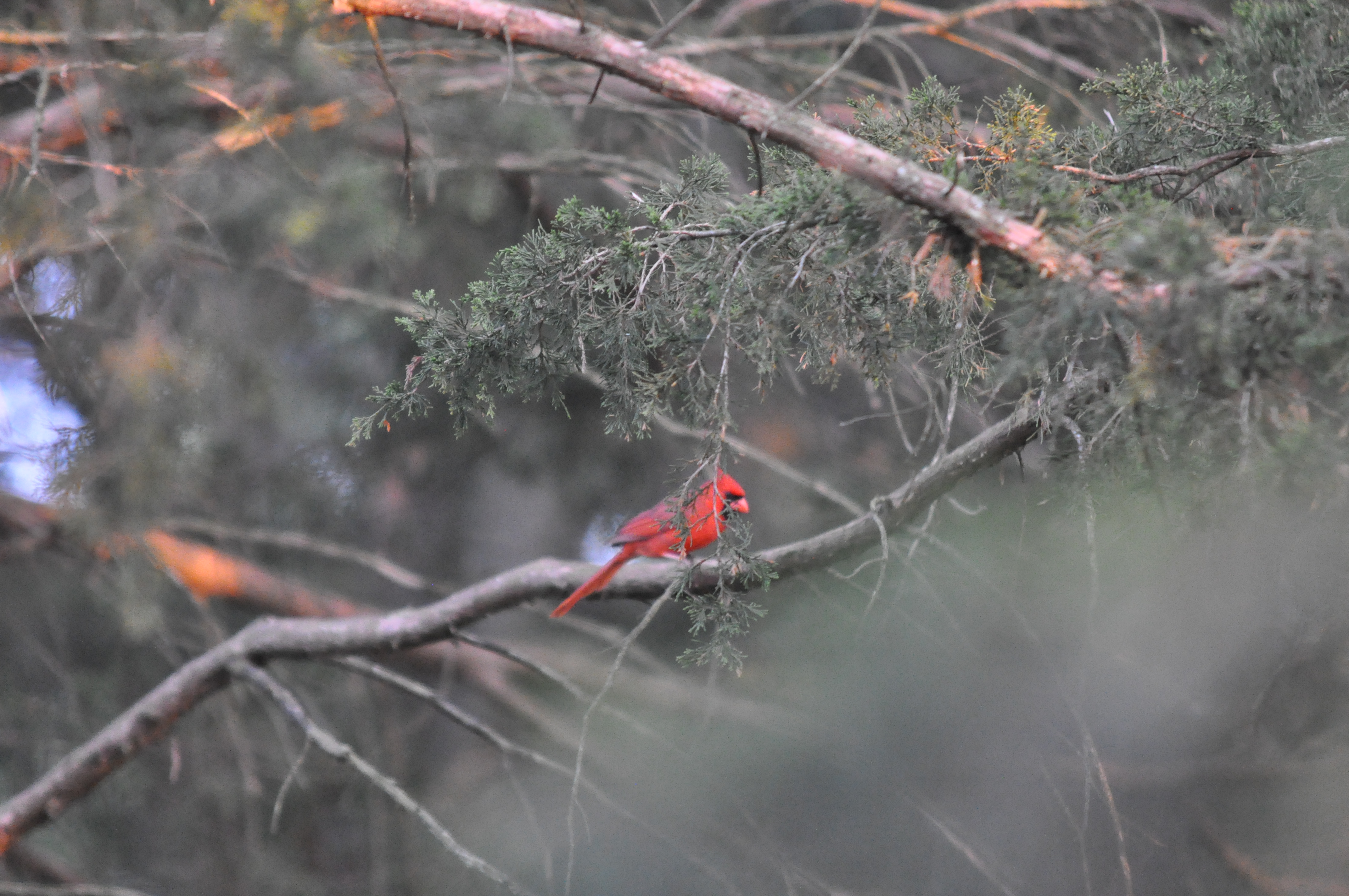
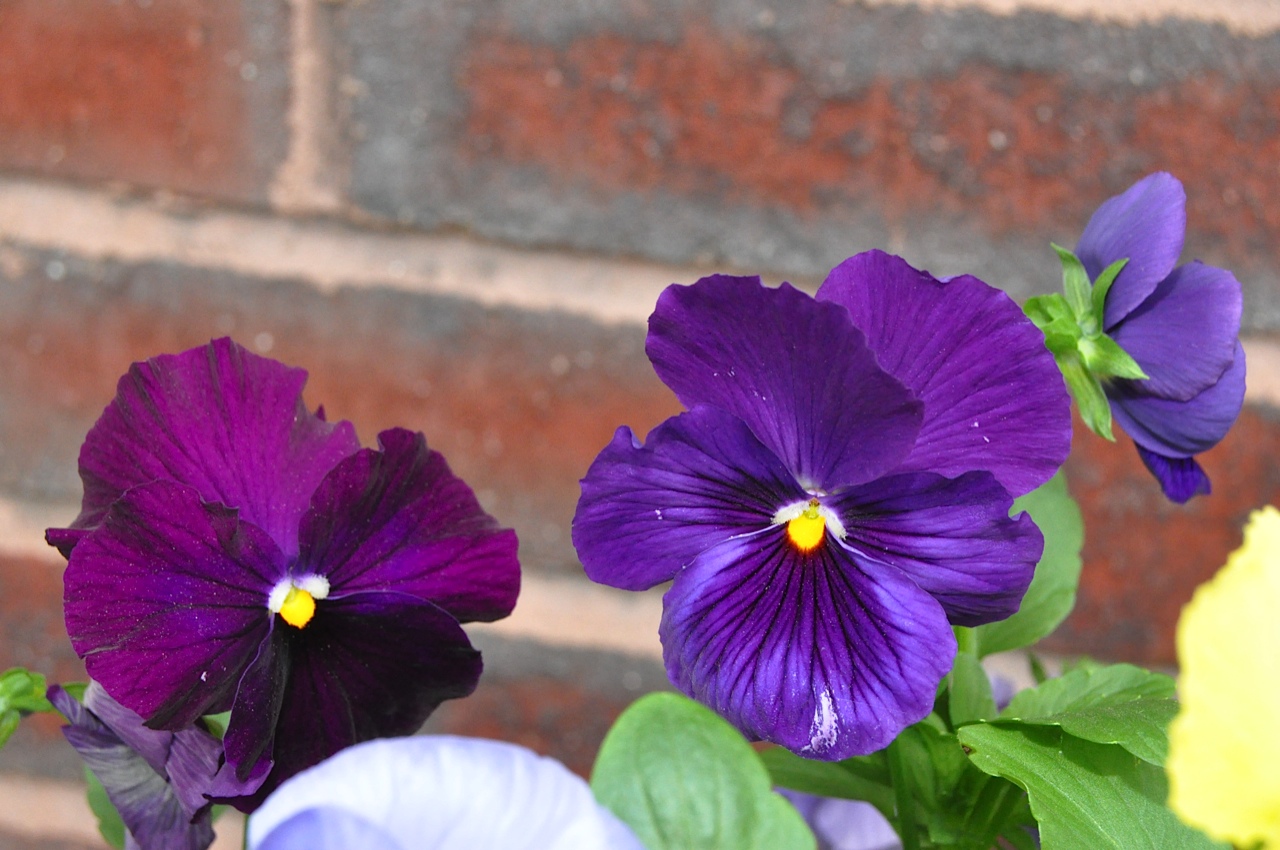
Photo by Greg Markway

I don’t want to dare greatly*.

I don’t want to speak dangerously*.

I don’t want to tell my story*.

When I wrote my last post, Busy Be Gone, I thought I had turned a corner in my self-compassion project. I was loosening the connection between my self-worth and being productive. But I think I jinxed myself. I soon lapsed into a cynical malaise where I didn’t care about anything (well, I still enjoyed Ben and Jerry’s ice cream). I found pretty pictures and inspirational sayings on Facebook annoying. The usual blogs I read sounded sappy. I couldn’t pick up a pen to write. I worried, maybe I’m doomed to feel “tortured” as I described in my post on January 1st. Maybe that’s just my personality. Is there going to be a tortured personality disorder in the new DSM-V?

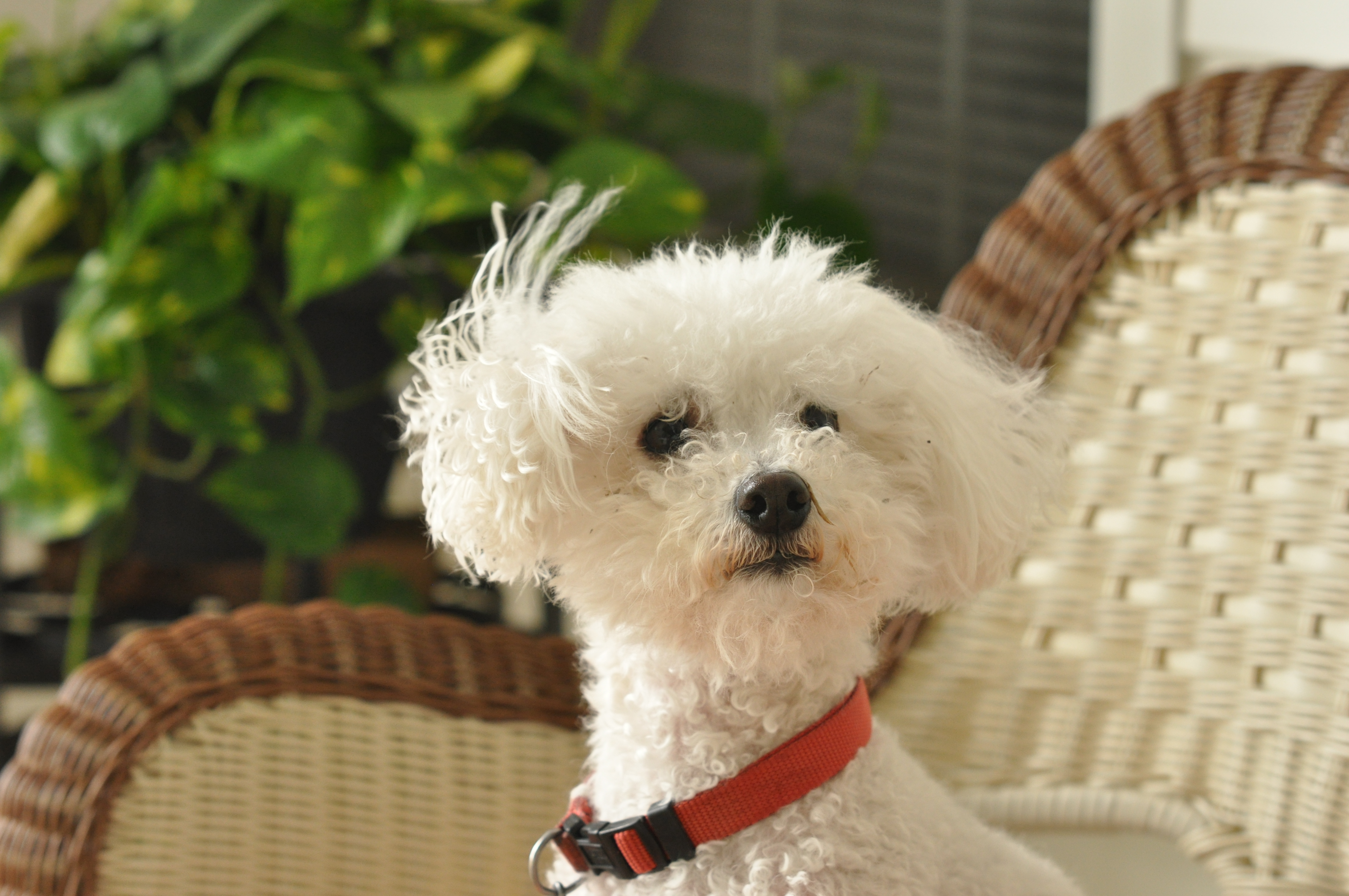
I thought to myself tonight, if I don’t write something soon, it will be over. This blog will follow the fate of many blogs before–it will wither away and die. And I really don’t want that to happen. So I picked up my pen and spiral notebook, my Kindle loaded up with my favorite books, a bottle of water, and sat out on the patio with my beloved Bichons, birds, and a few annoying bugs.

After skimming through some things, I found a section of Pema Chodron’s book, Comfortable with Uncertainty, that seemed to describe what I was experiencing. She says it is normal that when we start letting go of our defenses, and when our old ways of coping don’t work anymore, we can get even more neurotic. (Oh my, that does not sound good.) But she reassuringly says that this is okay. This is when we need need to develop “compassionate inquiry” into our moods, our emotions, our thoughts. We need to be curious about our “personal myths” and the way we are “divided against ourselves, always resisting our own energy.” She describes it as an ongoing process that takes years (Okay, so my year-long “project” may not be just a year…Somehow, I already knew this.) And I especially love this part, which jumped right off the page screen: “With precision and gentleness, we surrender our cherished ways of regarding ourselves and others, our cherished ways of holding it all together, our cherished ways of blocking our tender heart.”

Yes! I have been blocking–protecting–my tender heart. I have been afraid. I’m not sure of what, but I sense that fear is behind all this.

That’s all. It’s just fear. It’s not that I’m doomed to be tortured for the rest of my life. It’s not that I’m going to quit writing. It’s not that I’m never going to speak dangerously, dare greatly or tell my story. I’m just letting go of defenses and having a momentary, even predictable lapse, into old patterns of self-protection.

My heart feels so much better now.

***

*Daring Greatly is the title of Brene´ Brown’s forthcoming book, which of course, I’ll buy and love.

*Speaking Dangerously is a reference to Susan Cain’s best-selling book Quiet, and her “Year of Speaking Dangerously”. Susan is an inspiration to me.

*Telling Your Story (or Your Story Matters) is something I see frequently, but I mostly attribute it to Kelly Rae Roberts. If you follow this blog, you know I’m obsessed with her work.

When It’s OK (even advisable) To Quit

Recently, a friend of mine took a full-time job, and then had to resign soon thereafter due to a number of factors. I know she struggled with the decision. I understood her angst. I have taken on too much of late, and I’m having to rethink some of my goals. It feels like such a failure I can’t do everything I set out to do. But how many of us set unrealistic expectations for ourselves? My husband says I do (and he’s usually right).

When I googled quitting, there were literally pages of inspirational quotes about why quitting is bad. (You know, quitters never win, and all that stuff.) But I did find a Chinese Proverb that took a different view: “Of all the strategems, to know when to quit is the best.”  Yea!

But how do you know when is when? When is it okay to quit and when should you tough it out?  These are some very loose guidelines I came up with for myself:

It’s okay to quit…

…when you’ve gathered new information that makes the original plan unworkable;

…when the timing is wrong;

…when you thought you could do more than you can;

…when you’re changing directions;

…when to keep going will deplete you of energy you need for something else (or allows you to regroup your energy);

…when you made a mistake;

…when quitting is the most compassionate thing you can do for yourself at the moment (my personal favorite).

This is the shortest blog post I’ve ever written. I really thought about developing each and every point above, and giving more examples. But sometimes you have to know when to quit…

(Note: This is an old post from a different blog, but someone I care about is going through a rough time with a decision, and I think this may speak to her.)

Busy Be Gone

Brene´ Brown recently posted this on her Facebook page: “It’s so easy to buy into the idea that if we stay busy enough the truth of our lives won’t catch up with us. When they start having 12-step meetings for busy-aholics, they’ll need to rent out football stadiums.” This clearly resonated with people.  1,183 people liked it and 80 people commented. I replied, “Great idea, but I might be too busy to go.”

I love her writing, but sometimes Brene´ uses such big concepts, I’m not 100% sure what she means. I definitely relate to the part about busyness, but I’m not positive what it means about the truth of our lives catching up with us. Maybe I’ll figure it out as I’m writing. Maybe it will be a separate piece.

In my post, The Grass Always Grows Where You Water It, I wrote: “It’s May 1st, and I usually would have already had my monthly goals mapped out in my mind (and on paper). But not this month. I’ve been busy living, so that’s a good thing!” I also added that I wasn’t even worried about not having any formal goals. Well, I lied. I’ve been scared out of my mind. I’ve been doing a lot of not being busy, and I wonder if I’ll turn into some sort of sluggish sloth!  What if I never set another goal again?

Busy has always been a good thing in my family. It means you’re being productive. My family is of German descent, and I think it’s a cultural thing. During weekly Sunday phone calls, my mother cheerily told me to “Have a productive day.” In talking with another woman of German heritage, she said her mother said exactly the same thing! She also told me about a German word,  sitzfleish. It literally means the virtual flesh that exists between one’s behind and the chair. Figuratively, it refers to the ability to persist in one’s work, the patience that can endure anything, and the idea that work is more important than play.

I’ve certainly had a lot of sitzfleish in my life. I’ve prided myself on being able to plow through work and sit there until the job is done. And I’m not knocking the value of being able to keep your butt on the chair. It’s a skill that has served me well over the years, especially spending oodles of study time earning a doctorate and pounding out four books.

For me, busy has been fun. It has often meant being fully focused and engaged, in a state of creative flow.

My problem is that I take it too far. I don’t know when to stop, take a break, get up from the computer, walk around, stretch, move, breathe. Can you have too much creative flow? Sometimes I think so. I can get so immersed in what I’m doing that I forget to eat—and that’s saying something! (Maybe there’s a book in there…Write Yourself Thin.)

Ethan Nichtern, a popular Buddhist teacher, talks about the Tibetan concept of coemergence. He defines it as  “the ability of any particular phenomenon or experience to manifest as either wisdom or confusion, helpful or harmful, a weapon or a prison. So busy is not good or bad, it’s what we do with it.

I’ve never been good at finding balance in my life. I’m an all-or-nothing kind of girl. Greg teases me about it all the time. For example, when I want to change the thermostat in the house (and being a middle-aged woman that is about every five minutes), I ask him, “Are you hot or are you freezing?”

If there’s one good thing that has come from my chronic pain, it’s that it’s making me more mindful of my work habits. I simply can’t work for as long as I used to. But I’m still fighting that fact. I usually don’t notice I’ve worked too long until my body screams at me.

Hmmm, I’m sensing a new goal…start listening for the tiny whispers.

***

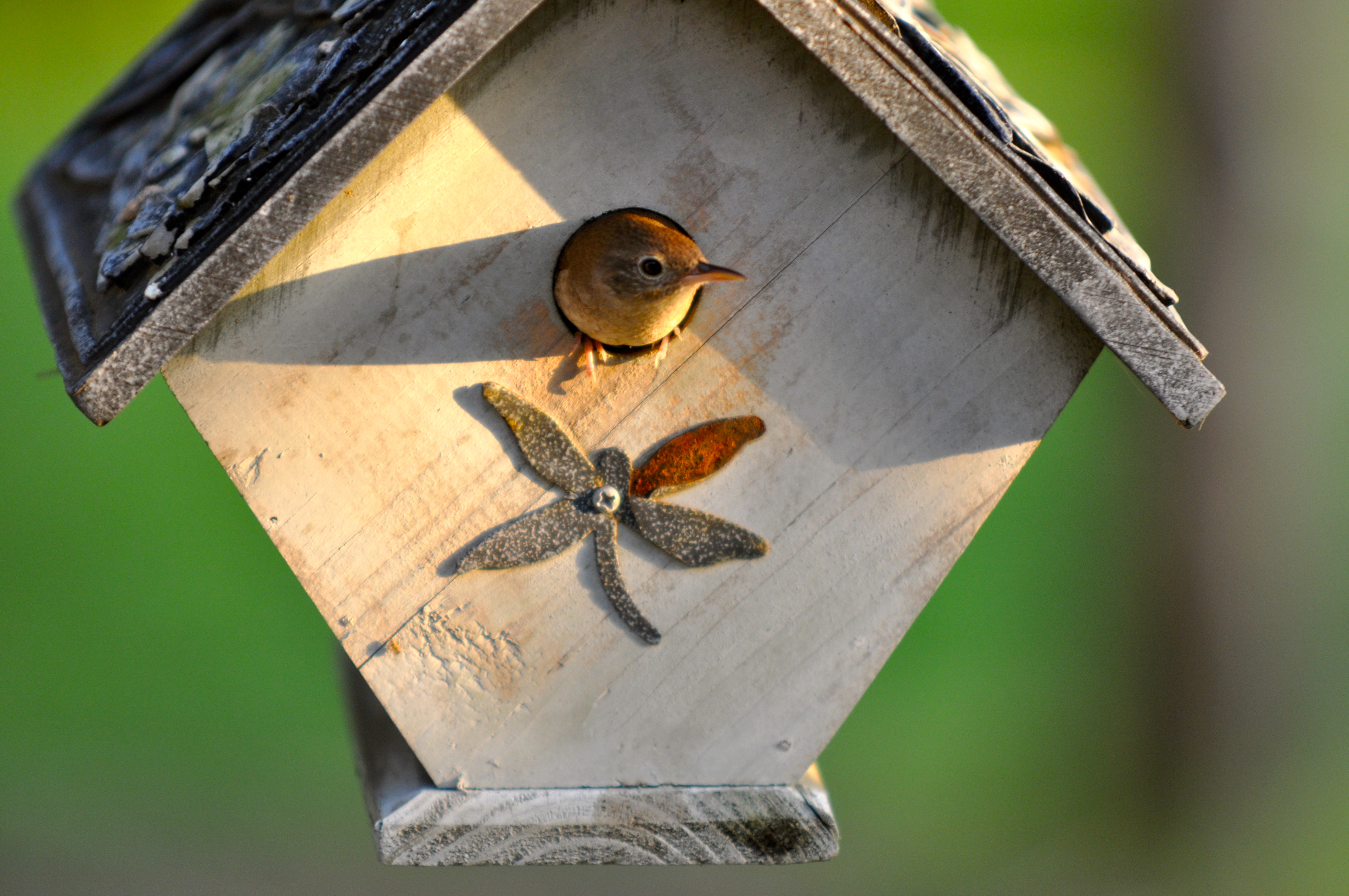
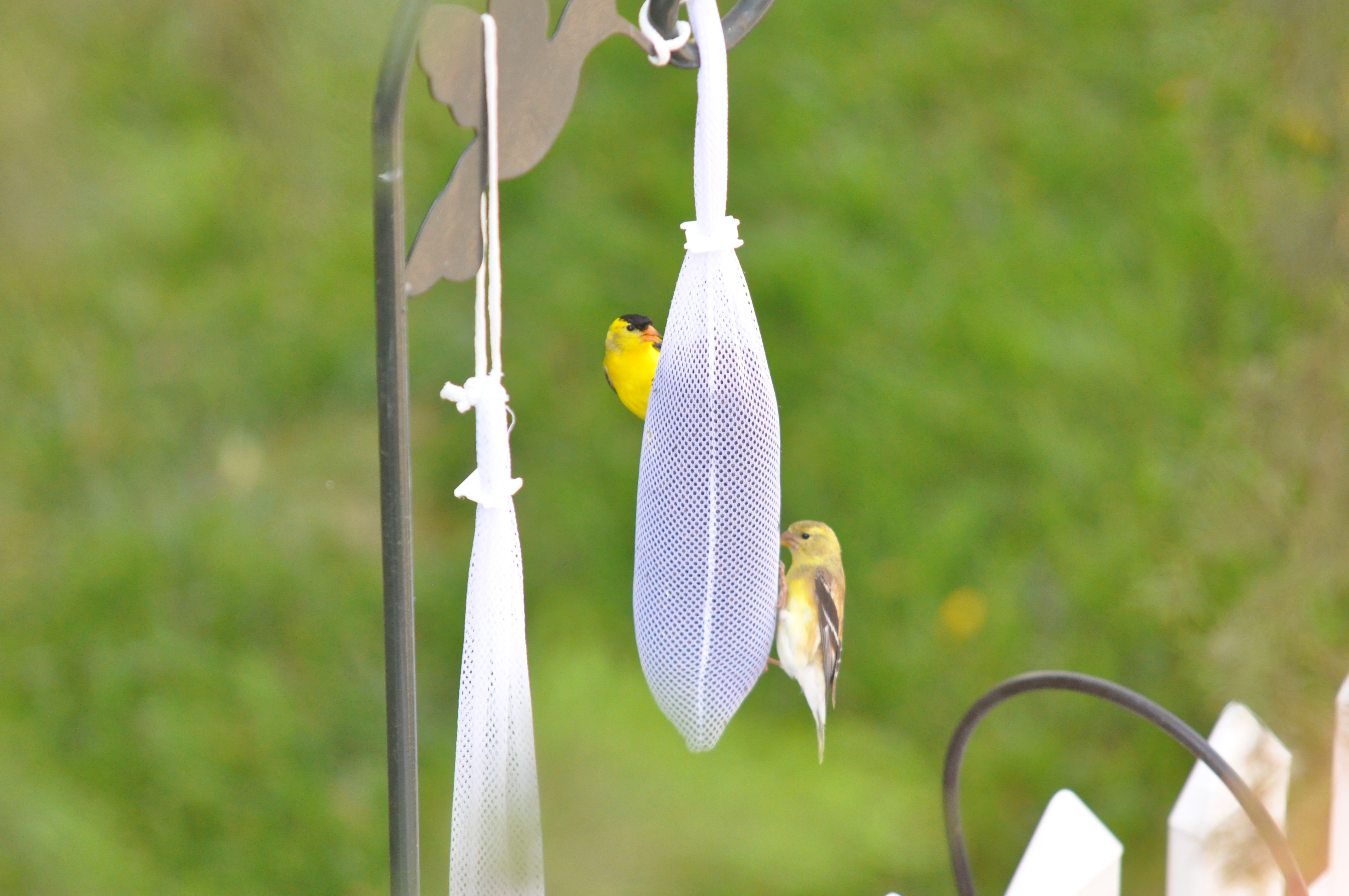
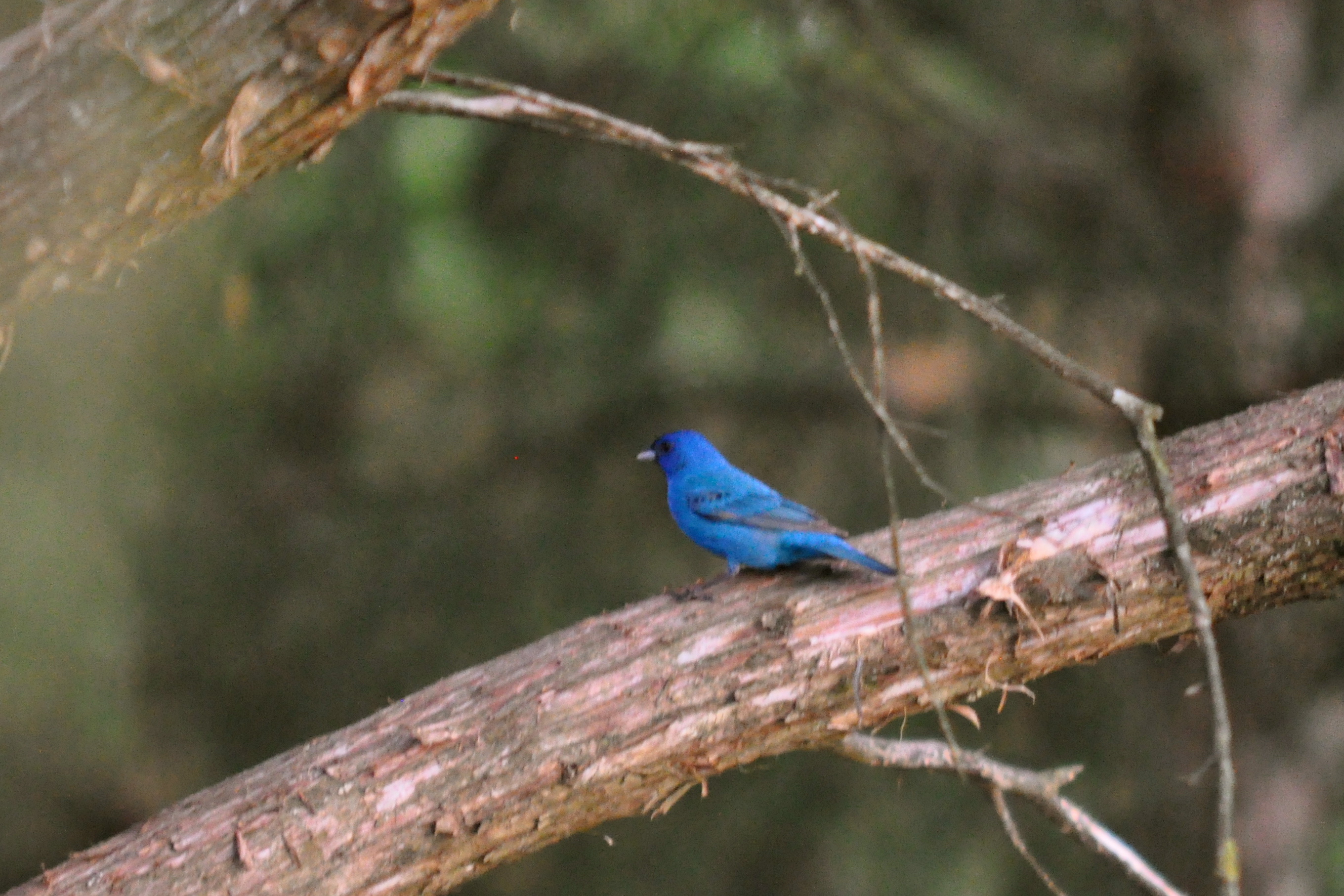
We have a great covered patio, and I think I’ve sat outside more this month than in all the months we’ve lived here combined (about 5 years). I’ve been watching birds build nests, listening to them sing, and feeling the breezes blow. I’ve enjoyed sharing this time with Greg, my college-age son who has been home more, and of course, Lily and Larry. As I’m sitting here finishing this, I see 7  Goldfinches, an Indigo Bunting, two Cardinals, a Red-bellied Woodpecker, and two Wrens who live in the birdhouse you’ll see pictured below. I’ve named them Henry and Harriet. They seem like a great couple! I wonder if they’ve done much decorating in their house…

There’s no place like home.

Windy day!

Trying to get Lily and Larry to pose.

We’ve had enough of this!

Worthy

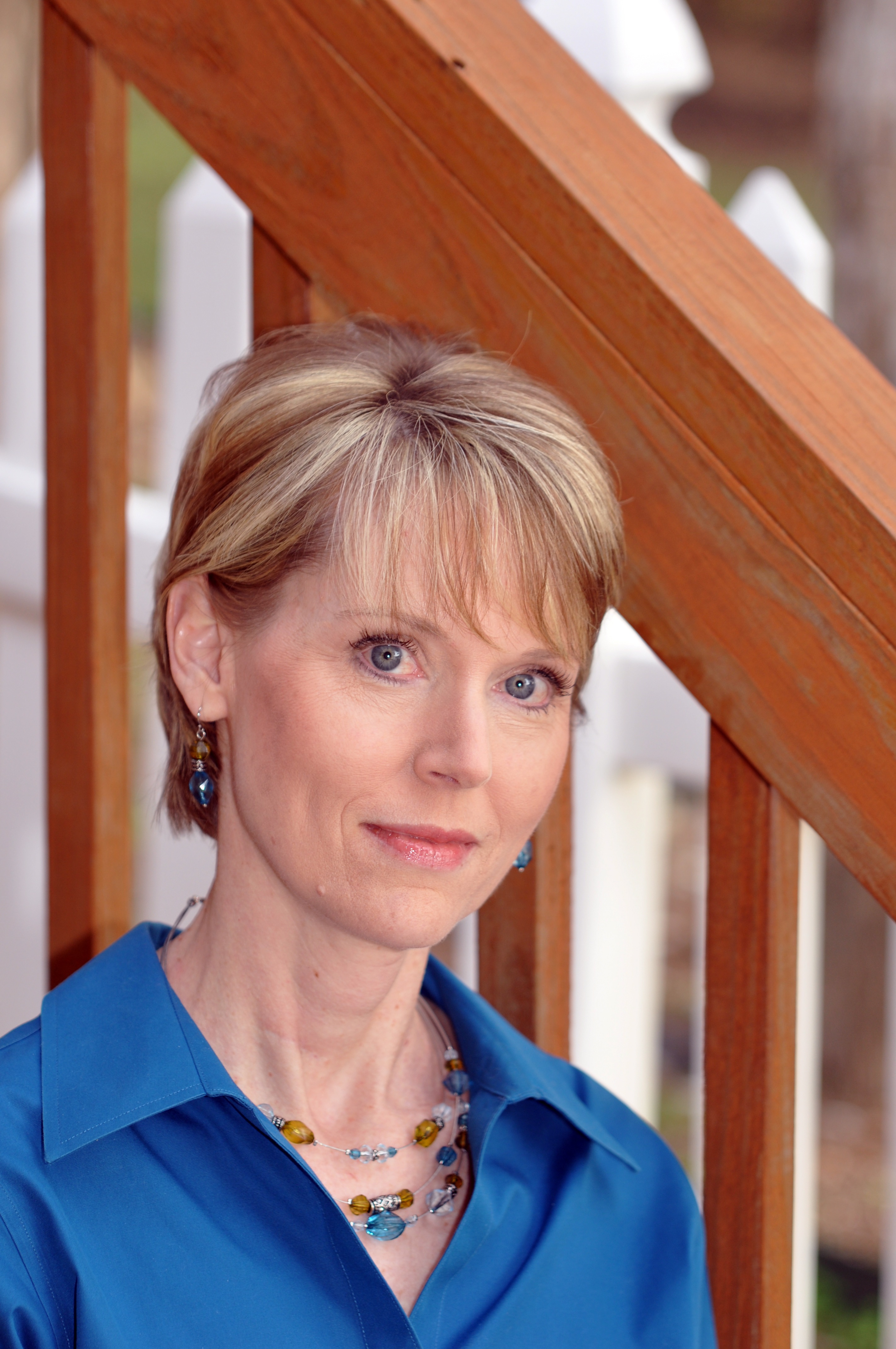
This is the essay I wrote for the MORE model search, which I wrote about here.  The judging was based 50% on a brief (there was a strict word count) essay answering the question, “What makes you feel beautiful, inside and out?” and 50% on a photo of yourself. I used the picture to the left. At the time I entered, I couldn’t post the essay on this blog. Well, I didn’t win, but I’m still glad I entered. In case you didn’t click over to MORE’s site before, here’s what I wrote.

The truth is, I don’t always feel beautiful. I think it goes back to growing up painfully shy. I still remember one horrible day in school when a teacher announced to the class that I was the quietest student he’d ever taught. Everyone turned around to look at me, as if I was some kind of freak. I felt blood rush to my face and my heart raced. I hated myself for being so reserved. Despite this (or perhaps, because of), I went on to become a psychologist and wrote three books on shyness and social anxiety. Although I enjoy writing and helping others, I still find promoting my work challenging. The strange thing is, throughout all of this, I’ve enjoyed a love affair with the camera. It treats me well. And almost magically, seeing myself in a photo gives me objectivity. I can view myself through a lens of compassion, and am better able to tune out the pesky gremlins in my head that tell me I’m not good enough. But it’s still not easy—this feeling beautiful stuff—and I’ve learned to be okay with that. “Feeling beautiful” comes and goes, because feelings come and go. What matters most is believing I am worthy. Worthiness doesn’t have to be earned; it just is. To me, worthy means speaking my truth, owning my power, and taking risks. And you know what? That painfully shy girl, who tried so hard to remain under the radar, is no longer afraid to tell her story. Sometimes, the story line even reads, “Hey, I’m beautiful.”

The Grass Grows Where You Water It

I saw this saying, “The grass grows where you water it,” and it speaks to how I’m feeling today.

It’s May 1st, and I usually would have already had my monthly goals mapped out in my mind (and on paper). But not this month. I’ve been busy living, so that’s a good thing! I’m loving my writing class, and I’ve chosen to spend my extra time soaking up all that goodness. I also went on a blogging binge last week and posted something Monday through Friday. Whew!

But (I know, there shouldn’t always be a but)…I’m having trouble focusing on more than one thing at a time. In February, I did great when I followed Sharon Salzberg’s 28-day meditation challenge. In March, I focused more on my physical health, managing my chronic pain, and have made some significant diet changes (you know, I reluctantly joined the free-range chicken/organic produce/supplement-popping club). In April, I immersed myself in the Alchemy writing class. In the meantime, I’ve let the meditation slide, although I’m managing to keep the dietary changes intact. I’ve found that when I focus my attention, I’m quite capable of making changes in my life. Yet I have trouble maintaining the changes, especially while trying to introduce new things, as well.

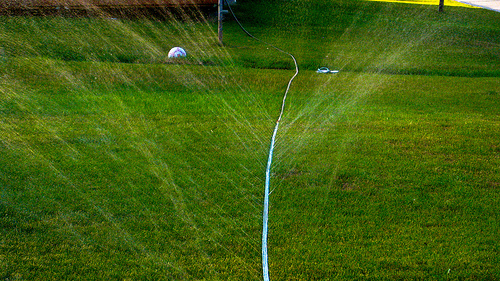
photo by Omega Man, Flickr CC

Does anyone know how to keep everything going?  I think I need one of those really long soaker hoses, so I can keep everything watered at once.

Although I don’t have my May goals to share with you, I want to tell you this. I’m being much more self-compassionate.  I sensed it and felt it, but I wanted proof. I retook the self-compassion test and compared it to the results when I began this project (you can find the test here). My scores show I’ve made significant strides in each of the areas measured. I’m really grateful and excited about that!

I’m not even too worried about not having any formal goals this month. I’ll probably start meditating again, because as Sharon Salzberg says, you can always begin again. I don’t even feel guilty (HUGE change) for not meditating. That’s just the way it’s happened. I’ll keep working on my health and exploring ways to manage my pain. I’ll definitely keep writing. And a huge thank you to everyone who keeps reading The Self-Compassion Project. Happy May Day!

photo by Greg Markway

Cancer: No Single Path to Recovery

A winding road in Budapest
photo by Peter Sikori via Flickr

(I wrote this for another publication, so the tone is a bit different. I thought some of the ideas might resonate for people.)

Popular magazines tell readers how to live with cancer by having a positive attitude, attending support groups, and managing stress. While these strategies can be important, not everyone will follow the same path in their journey. In my counseling work over the years, I’ve learned there’s no one right way to cope, and variety in experience is the norm.

 Not Everyone Wants to Wear Pink

Now if I were diagnosed with breast cancer, I’d be tempted to use it as an excuse to go on a shopping spree to buy anything pink and sparkly. Yet there are plenty of people who don’t want to wear clothing and jewelry advertising the fact that they have cancer. Take  Amy, for example. When she was diagnosed with breast cancer, a good friend gave her a T-shirt and baseball cap with the familiar pink ribbon logo on it, joking that she might need the cap when she lost her hair. Although Amy knew the gesture was well meaning, she was taken aback. She wasn’t ready to announce her cancer to the world. On the other end of the spectrum, another woman I know got a tattoo of a breast cancer ribbon and posted a picture of it on Facebook!

Positive Thinking Has Its Pitfalls

I’ve always assumed if I had some sort of life-threatening illness like cancer, I’d be doomed because there’s no way I’d have the requisite “good attitude.” Despite reading Norman Vincent Peale’s The Power of Positive Thinking when I was a teen, I’ve never quite gotten it down. We’re inundated with the notion that we have to find the positive in every experience. Fortunately, I think it’s a cultural myth that you have to “fight” cancer with positive thinking. From my take on things, positive thinking can backfire. If you’re so busy trying to look on the bright side, you may deny the reality that having cancer is scary. Experiencing a range of feelings including shock, fear, sadness, and even rage is normal. It takes a lot of energy to deny the reality of your feelings, energy that could be better used elsewhere. My advice? Allow yourself to feel it all, and don’t judge yourself if sometimes you simply need to whine and complain. It’s really okay to have a pity party sometimes.

Support Groups Are Optional

Another woman, Michelle, wanted to do everything possible to complement her medical treatment. She had read research that support groups were an important part of the recovery process, and she went to several meetings. Each time she left feeling worse than before. One of the most caring and sensitive people I’ve known, she absorbed all the painful feelings in the room. She also berated herself for any “self pity” she felt, when others clearly had worse situations. In addition, some people are naturally too reserved and private to benefit from support groups. I’ve spent much time reassuring these people that it’s okay— they don’t have to go to a support group. While it’s beyond the scope of this article, the research is actually conflicting on the subject. In 1989 there was a landmark study that argued for the curative power of support groups. More recently, though, systematic reviews of the literature have found there were problems with the research. The bottom line? Do what’s best for you, and keep in mind there are many different ways to get the support you need.

Avoid New Age Guilt

We’ve all heard about the mind-body connection—how stress can play a role in every-thing from the common cold to heart disease. Bob came in every week and said, “Are you sure I didn’t get cancer because of all the stress in my life?” Last year I took a course called Mindfulness and Psychotherapy, taught by professor of psychology at Harvard Medical School, Ron Siegel, Ph.D. An important thing I learned was a concept he called New Age guilt. He said that in our zeal to use our minds to transcend pain and suffering, we tend to blame ourselves for everything that goes wrong with our bodies. Dr. Siegel reminded us of what happens to even great meditation masters: No matter how wise, skillful or compassionate they are their bodies fall apart in the end.

Give Yourself a Break

Life is hard. Add cancer into the mix and well, it can seem pretty unmanageable. This isn’t the time to put more pressure on yourself. You don’t have to be a perfect cancer patient—doing things a certain way. You’ll get lots of advice, and you need to judge for yourself what will be helpful. Sometimes positive thinking can perk you up; other times, it is a needless drain. Sometimes you want the support of other people; other times you need some alone time with the cat on your lap and your favorite music. And what you feel like doing one day may be completely out of the question the next. Remember to be gentle with yourself. Life is lived one day at a time.

Coping with Chronic Illness…Compassionately

Although Toni Bernhard’s book is called How to be Sick, I found it a lovely and poignant read on how to live, regardless of one’s health status.

Toni was a law professor at the University of California–Davis when she became ill on a trip to Paris in 2001. At the time, she was diagnosed with an acute viral infection–“the Parisian flu” they called it. Unfortunately, she never got better. Amazingly, she wrote How to be Sick from her bed using a laptop. The book won the 2011 Gold Nautilus Book Award in Self-Help/Psychology and was named one of the best books of 2010 by Spirituality and Practice.

Toni has not recovered her health, but her spirit remains strong. She writes regularly for Psychology Today and generously donates her time and wisdom. I was so excited when she graciously agreed to be interviewed for my blog.

When do you accept your pain or health condition as is, and when do you keep trying new approaches?

In my opinion, we have to do both. Acceptance is not the same as indifference or resignation, which carry aversion with them. Acceptance to me is an opening of the heart to the difficulties we face and being able to say, “This is how things are right now” even if “how things are” is difficult. I try to accept how I am AND continue to pursue new treatments. But I’ve learned a lot in the past eleven years about having to pick and choose skillfully among those treatments.

First, of course is the cost. I’ve spent so much money on failed treatments that it’s been a strain on our budget. At the point when the strain outweighs any benefit I can foresee, I stop (I did this recently with the third Chinese herbalist, even though he’s one of the most respected herbalists in the world).

Second, I’ve had to learn to not just jump at every treatment option, but think about it carefully and see if it’s at all reasonable. I used to try everything. Now, I’m very careful.

So, you have to find a middle way — but to me, acceptance of how you are now AND continuing to pursue treatments are not in conflict with each other.

I have also gone through periods where I’m just too exhausted to keep an eye out for treatments. I just retreat, as if I’m in hibernation, and that seems to be good for me sometimes too.

How do you have self-compassion when you’re feeling sick and tired?

I always tell people that the single most important thing they can do is to be kind to themselves. I look at it this way. We control so little in our lives, but the one thing we can control is how we treat ourselves. I see no reason for us not to be as kind and gentle with ourselves as we can be. It’s not our fault that we have health problems. We’re in bodies and they get sick and injured. It will happen to everyone. This is how it’s happening to us. I’ve had so many people write to me and say the single most important thing they got out of my book was to give up the self-blame and forgive themselves for being sick or in pain. Many people have said they didn’t even realize they hadn’t forgiven themselves until they read How to Be Sick. Those emails always touch me so much — just to know I’ve been of help to them.

I really think it helps to speak to yourself with words of self-compassion — to find just the right words for the moment: “It so hard to be sick yet another day.” I said to my husband yesterday, “I’m sick of being sick.” But, instead of “feeding” that thought with stories I spin: “I’ll never get well.” “I’ve been cheated of eleven years of my life,” I’ve learned to just let myself feel “sick of being sick” and speak to myself kindly about it. It’s natural for that emotion to arise so I try not to make it stronger by feeling it with worse-case-scenario stories. Instead, I’m just gentle with myself until the emotion passes — as it will.

How do you deal with uncertainty and unpredictability that goes along with chronic illness?

I use what I call “weather practice,” which I describe in my book. It was inspired by the movie, The Weather Man, which takes us inside the meteorologist’s craft where we see that the weather is unpredictable and ever changing. I use this as a metaphor for life. It helps me hold painful physical symptoms and blue moods more lightly. I can’t predict when they’ll arise but I know for sure that they’re just blowing through, like the wind. It makes it easier to wait them out. It applies to what happened yesterday when I suddenly got that “sick of being sick” feeling. I wasn’t expecting it to descend on me but it did. So I let it be there, knowing that it was an arising and passing mood. Sometimes, I do something particularly nice for myself — put on a movie — until the mood passes.

I also like to remind myself that uncertainty and unpredictability can work in my favor. We assume they’ll be a source of stress, but they could also mean that something unanticipated but wonderful is just around the corner. So, I like to remember that these two can be our friends.

How do you pace yourself (not doing too much on good days, then paying for it later)?

Now you’re asking about something I’m not very good at doing. I get off the hook a bit because my symptoms are pretty consistent from day to day — relentless you could call them. So for me, it’s not a question of overdoing it on a good day v. a bad day, but of overdoing it when something I enjoy is going on — like my son and his family coming up for the day from Berkeley. I try to pace myself but usually overdo it anyway. Then what do I do? Self-compassion again! There are some limits to which I can’t stretch myself, but visiting in the living room for longer than I should is one of them. And so I do it, and accept that paying the consequence was worth it.

How do you deal with anger?

I’ve been angry about my inability to be with my family more than I can. Sometimes, I do have to leave the living room and it’s hard to listen from the bedroom to all the laughter and good times I’m missing. But I’ve learned that getting angry doesn’t get me anywhere. It certainly doesn’t allow me to visit longer. All it does is increase our suffering.

Anger will arise. Don’t be upset with yourself for getting angry. It’s a natural response to your situation. The question is, how can you respond skillfully to it so as to minimize the suffering it causes. Here’s what I do. I note that it’s there, often by labeling it, “Feeling angry” or “This is what anger feels like.” I don’t get angry at myself for being angry — that’s just a judgment that makes the anger worse. In fact, I try to treat it like a guest I know well — an uninvited one perhaps, but still a guest. I find if I do this, it doesn’t fester and grow stronger. Then I look for what’s behind the anger. Almost always it’s some form of desire — I’m not getting what I want or I’m getting what I don’t want. It’s that “want/don’t want” I refer to in the book.

Just finding the desire that’s the source of the anger often loosens its grip on me, because I know, deep down, that we simply can’t fulfill all our desires and that if I continue to be angry about it, it will only make me more miserable and, in the end, won’t get me what I want. So, with this awareness that anger is present and that it’s because of a desire I can’t fulfill, I just let it be. Just sit with it. Just let it be until it gradually changes, weakens, and passes out of my mind. This is one of the ways in which the law of impermanence can be our friend!

Again, I’m so thankful to Toni for sharing her wisdom.  

To soak up more of Toni’s inspiration, click here.

There’s Always More to Say

I highly recommend this course!

I’m taking an online writing class called Alchemy: The Art and Craft of Writing. The course is full of juicy stuff, but today I’m going to share what I wrote in response to a “writing prompt” (you write anything in response to a phrase provided by the teacher). The best part comes at the end with my teacher’s comments.

The prompt:What I want to say…

What I want to say is that I’m sad for myself how I turn something that was supposed to be “for me” (this writing class) into something that’s not fun (Oh yeah, why am I surprised? I’m the person who skipped the chapter on fun in The Happiness Project…) As I was reading part of the lesson this afternoon, I began to cry. (Again, why does this surprise me? I seem to have no shortage of tears.) My thoughts go like this: Why am I even taking this class? There is already so much great writing out there. The world doesn’t need another blog, or even another book. We’re already on information overload. Everything I might say has probably been said before.  I can argue with myself as I’m writing this, but the fact is, my initial reaction to many things is one of pessimism, of defeat. It’s always one of why I shouldn’t be doing something. I shouldn’t be taking this class because it’s frivolous. I shouldn’t be typing at the computer when it increases my pain level. I should be making dinner for my husband who works full-time and provides us health insurance. I should be getting more out of the class. I’m not putting enough into it. I should be commenting on other people’s writing more. This is B.S. (I don’t really cuss, but maybe I’ll start someday). I don’t really think these things are true. It’s just so automatic to go down this path. The grooves in my brain are deep. In a second I go from a cheery, “Oh, I’ll look at the computer to see what’s going on with my writing course today” to a tearful “I’m no good. I’m in pain. I shouldn’t be doing this right now.” No wonder the last therapist I saw asked me in the first ten minutes why I wasn’t on a mood stabilizer! Interesting how this week is on Using Your Voice and I’m trying to silence mine. I’m going to post this now without editing or looking back, but I think (No, I know) there’s more to be said.

My teacher, Jenna McGuiggan, wrote this in response: 

Barb, well I do cuss, so let me help you out for a minute: BULL SHIT to those naysayer gremlins in your head! (I’m really truly hoping you laugh here and are not offended.)

Thank you for sharing your thoughts and feelings here. I understand so very well the feeling of defeat that there’s nothing new under the sun. (Even the author of Ecclesiastes in the Old Testament of the Bible was bemoaning that fact!) And yet… there is only one of me. And only one of you. And no one sees the world like I do, or like you do. People don’t stop reading books or essays or blog posts, even if it’s all been said before in one way or another. And we shouldn’t stop writing, because until we write it, it hasn’t been said by us, in our unique way. Besides, writing is for you as much as for other people. I want people to read what I write, and I hope that they like it or are touched by it in some way, but I’ll always write, even if no one reads it. I write because it’s how I make sense of the world. I write because it makes me feel whole and more solid. I write because there is pleasure in having written.

May you acknowledge your pain and fear and doubt, and may you find a way to move alongside it, through it, and past it. I know you can.

Join the Club

Like many other people, I decided to enter an office lottery pool last week when the jackpot was at its record high. The person who spearheaded the group reported in an e-mail today that twenty people had entered, and we won a collective $19. In a flurry of e-mails, someone wrote, “Let’s make a ‘club’ and we’ll do this every week. Who’s in?” Once the word club was mentioned, I cringed. Ugh. I hate joining things.

I don't want to belong to any club that accepts people like me as a member. -Groucho Marx

I think it goes back to my college days when I joined a sorority, hoping to find a place where I didn’t feel like my usual misfit self. I was happy to be accepted, but soon learned it wasn’t for me. I had to wear my sorority shirt on a certain day each week. I had to go to parties at the frat houses every Wednesday or I’d be fined. I decided to quit, but this was no easy process.  I had to appear before the Board and make my case for leaving the sisterhood. I couldn’t even quit on my own.

Today, after work, I went to the local health food store. On the first Monday of the month, they offer 20% off of all supplements. The place was swamped with people, all looking for the perfect “natural” pill to take away their ailments. Or should I say “our” ailments?

I’ve written in other posts about my adventures in alternative medicine–trying to find some new ways to deal with my chronic pain. I guess I should be happy that the doctor I’m seeing is taking a holistic approach, but I feel like I’ve been thrown into this new world that seems quite foreign. I’ve never eaten that badly, but I’m a One-a-Day vitamin kind of girl, and I like my processed, easy-to-prepare foods. In addition to the various vitamins and supplements I’ve been prescribed, I’ve also been advised to follow a gluten-free, “Paleo Diet.” I’ve been experimenting with this way of eating since late January, but mostly with half-hearted attempts.  I do what I usually do: buy a few books, read them, and don’t fully do what they say. I decided that yesterday, being the first of the month and always a good time to start a new goal, I’d follow the eating plan in earnest. Well, I’ve made it almost two days. I’m hungry. I’m crabby. And I miss my carbs. But now, somehow, I’m part of some free-range chicken/organic produce/supplement-popping club.

Can I quit? Sure. Will I quit? I don’t know.

As I write this, I realize I belong to a very large club whether I want to or not. I’m part of the human club.

In her book Self-Compassion, Kristin Neff notes, “When we’re in touch with our common humanity, we remember that feelings of inadequacy and disappointment are shared by all. This is what distinguishes self-compassion from self-pity. Whereas self-pity says, ‘poor me,’ self-compassion remembers that everyone suffers, and it offers comfort because everyone is human.”

Even though my pain may be different than your pain, we have much in common.  As humans, we have imperfect bodies. Bodies that have aches and pains. Bodies that get old. Bodies that are impermanent (that’s Zen-speak for die).

Now there’s a cheery thought…

Acupuncture Barbie

photo by Deborah Leigh via Flickr

As I wrote about in a previous post, Befriending the Body, I’ve experienced pain on a daily basis for many years now. I’ve tried all the conventional approaches: physical therapy, steroid injections, and two back surgeries. For the most part, I’ve made peace with the pain and just assumed it would be something I would deal with forever. Yet there was always a nagging voice inside me that said I owed it to myself to explore more options.

I’d read some research on acupuncture, and there seems to be some scientific basis to support its use in chronic pain. Although I live in a fairly small town, I’d heard about a physician here who had trained with Dr. Andrew Weil, a well-known alternative medicine “guru” and best-selling author of many books on wellness. One of my friends had been to Dr. Christopher Link, and had taken her daughter to see him, too.  She gave Dr. Link rave reviews, and I decided it was worth a try. What did I have to lose?

Once I decided to go ahead, I waited four months to get a “new patient appointment.” I figured he must be good as it took so long to get in.  I’ve now seen him three times, and there are many aspects to my treatment plan that I’ll write about in other posts. I had my first acupuncture treatment last week, so that’s the subject for the day.

First of all, I had a mini-breakdown the few days leading up to the treatment. I worried about the financial aspect. This is all going to be an out-of-pocket expense. Am I going to be wasting my money? Mostly I worried it would be just plain weird. I had done some more research and found some people had emotional reactions to acupuncture. I talked to my friend about it and she did say that acupuncture can “release a lot of energy.” That didn’t sound like a good thing. When I hear stuff about “energy work” I get turned off. I also didn’t like thinking about the very real possibility that I’d cry somewhere along the line. Ugh.

I had worked myself up into such a state, I called to cancel the appointment, but the receptionist talked me out of it.

The night before my appointment, I meditated. An image came to mind of a picture I have hanging in my office. It has a quote on it that says: “Sometimes your only form of transportation is a leap of faith.” I don’t readily trust doctors, but I took this as a sign that I should give Dr. Link the benefit of the doubt.

At my appointment, he first came in and asked how I was doing. I offered a brief “okay” before I launched into a list of questions. I think I was mostly trying to prolong things. I thought maybe we’d run out of time. I even suggested that he was probably running late and we could do the acupuncture at my next appointment! Silly me 🙂 Finally, I asked, “Do I have to believe this will work for it to work?” He said definitely not, and then he told me about research studies with animals that proved expectations had nothing to do with acupuncture’s effects.  He shared with me that he had been skeptical about acupuncture at first, too, and he added that he didn’t know for sure whether acupuncture would help me.  I appreciated his honesty.

The actual treatment wasn’t too bad. As always, my anxiety ahead of time is much worse that the actual event. I didn’t want to look at the needles, but I’m pretty sure he put at least two in my ear and I’d say about ten in my arm and hand. Then a TENS unit was hooked up to the needles, and a heat unit was directed to my arm. I felt like I was a ham being baked.

Next a nurse put a call button in my hand. I asked, “What is this for?” She said, “To call if you need anything.” What? I was going to be left? I was doing okay until this point. I guess I had missed the part that the needles are left in you for a period of time. I was going to be in a room all by myself with needles buzzing away in my arm. The nurse asked if  I wanted some music, and I said no (music would be more likely to make me cry). I did ask for a blanket for my feet, which were freezing cold. I was proud of myself for being assertive and asking for the blanket.

During the treatment, I tried to do some breathing meditation. I imagined Sharon Salzberg’s voice from my meditation CDs telling me to simply notice the breath. I didn’t have to change anything–no need to try to breathe slowly or deeply. Just follow the breath in its natural state.  At times my attention was drawn to various points in my arm where the needles were. There was one place close to my armpit that was a little uncomfortable. Otherwise, there was no discomfort–mostly just  strange vibration sensations. I heard a timer go off and the nurse came back in. I imagined I was cooked to perfection. She said I looked flushed. She said Dr. Link had told her that was a good indicator that your nervous system was actually being reached. I didn’t say the room was just hot and stuffy, but that’s what I was thinking. She told me I could get off the table, but I felt a little bit paralyzed or something. She must have noticed an odd look on my face, and she said to take my time, that some people feel a little dizzy afterward. When I was telling Greg about it, he said, You were probably really relaxed.” I informed him that I was definitely not relaxed! (This was serious, scary stuff.)

I made it to the front window, paid for the treatment, and got instructions to drink a lot of water, and take it easy.

I went home and looked at myself in the mirror. Could I see any marks where the needles had been? Did I still look flushed? No, and no.

It was hard not to evaluate whether anything had happened. As pessimistic as I usually am, I actually thought I felt “more space” in my shoulder area. This experience of “more space” extended down my arm into my hand, and lasted all that day and the next day, too. I even forgot to take my Extra Strength Tylenol, which I take religiously.

Now if I could have only ended this blog post here.

A few days after that, the pain was back. I thought to myself, “Well, yeah, the first day I stayed off the computer–one thing I know aggravates my pain. Of course I felt better.” Even the second day, I was still trying to do less on the computer. “Maybe I just need to stop typing so much, then I wouldn’t need this stupid acupuncture!”

I didn’t expect one treatment to magically cure me. I’m going to keep going, at least for a little while. Dr. Link said we’d be able to evaluate after about 4 treatments what kind of response I was having. And I don’t know if it’s related, but I have slept really soundly since the acupuncture treatment.

As I’ve thought about this whole acupuncture thing, it dawned on me that it’s really not relevant whether it “works” or not. The point of this self-compassion project is to learn to be gentle with myself, regardless of the circumstance. Sure, it would be great to not be in pain all the time. But it’s not mandatory for happiness. Just two and a half months into this “project” and I already feel better equipped to deal with whatever life brings. Pain or no pain. It’s all good.