Spring Beauty

There is no winter harsh enough to withhold the promise of spring.

-Karen Kaiser Clarke

While I typically dislike change, this quote reminds me that it is simply part of nature. No more, no less. Instead of fearing change, I can choose to take comfort in the knowledge that there really is a season for everything…and each new season brings its own special beauty. I remind myself that with change, there is the promise of something different. Sadness fades. Pain subsides. Hope creeps in.

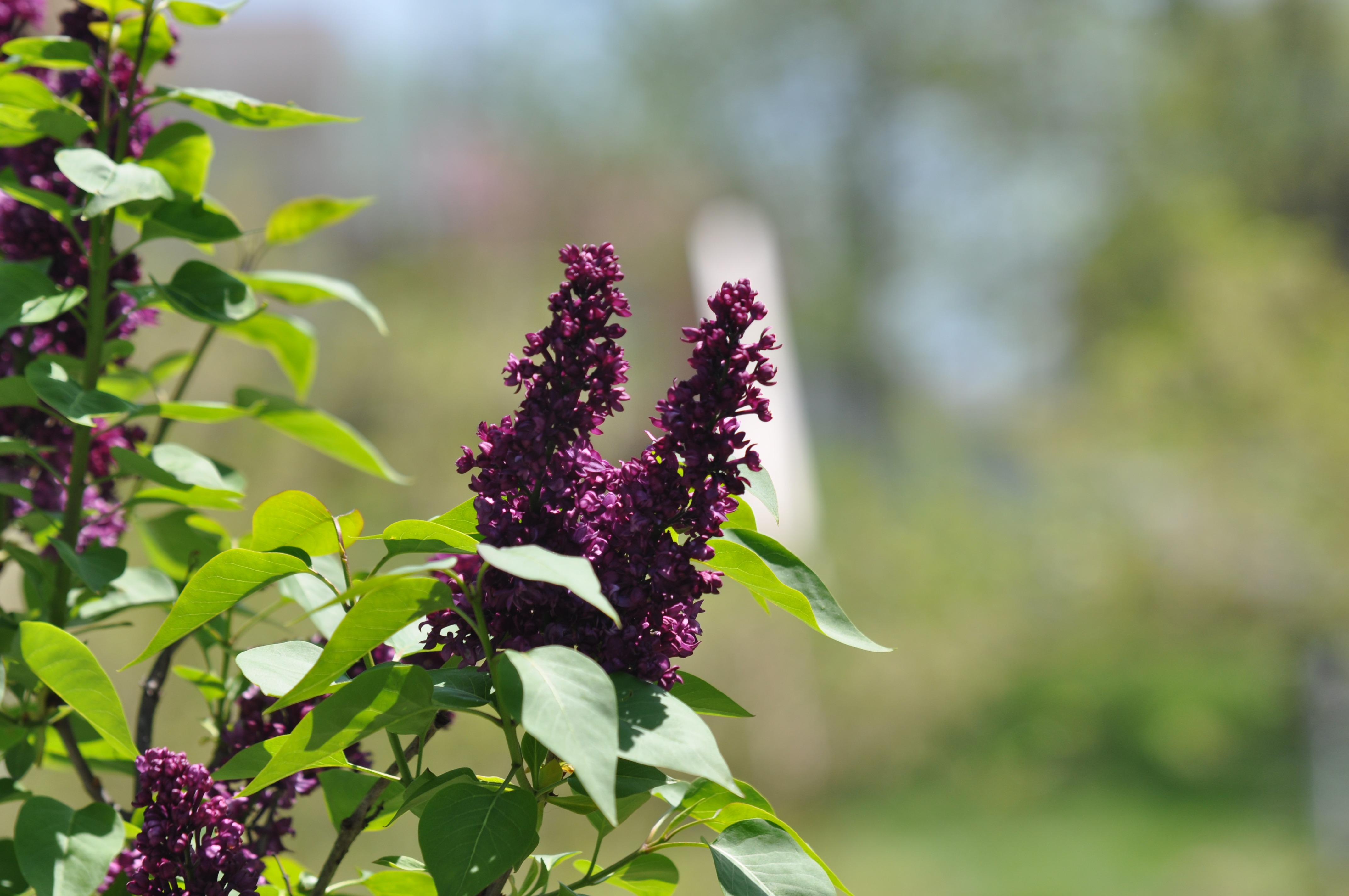
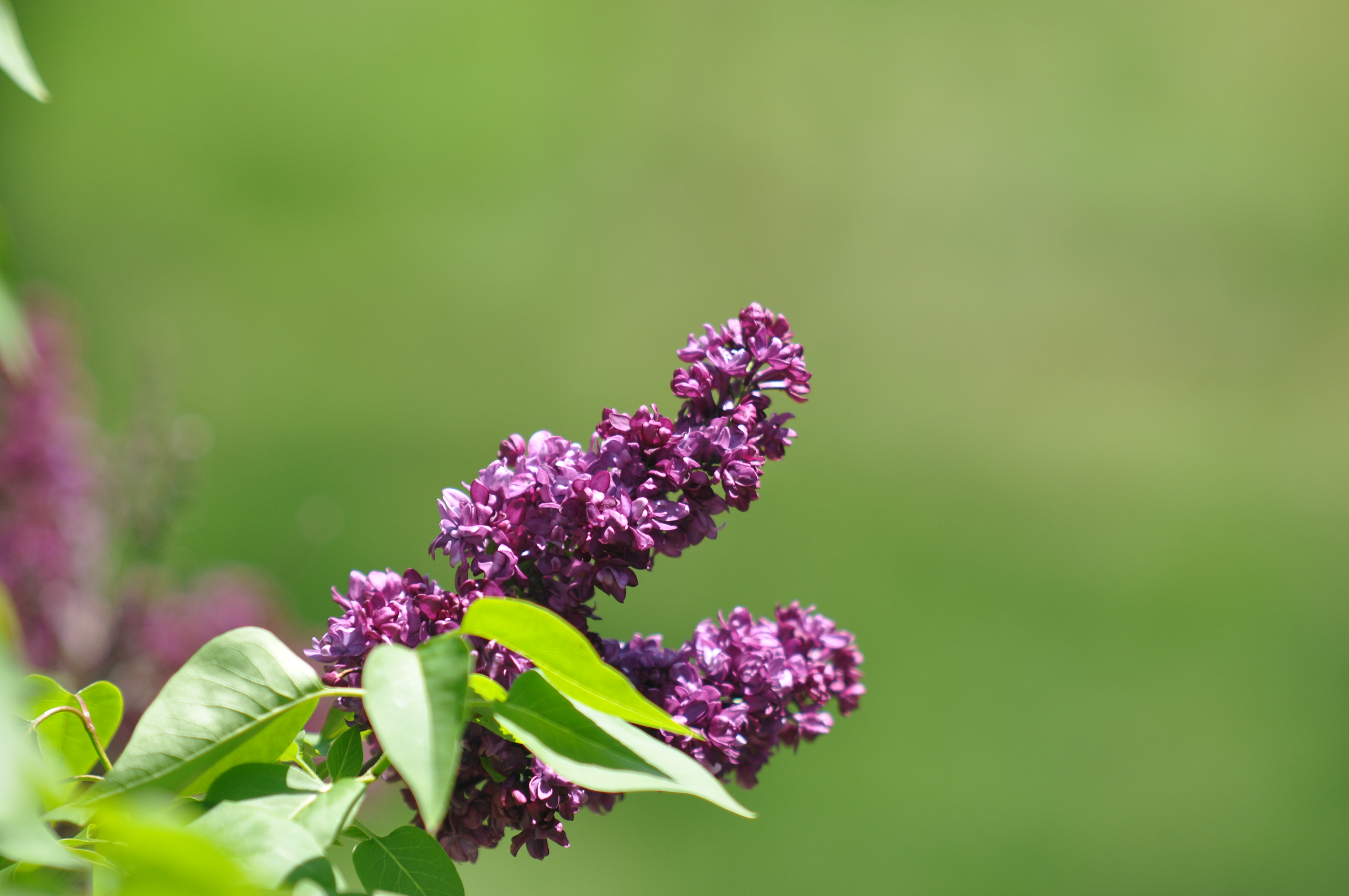
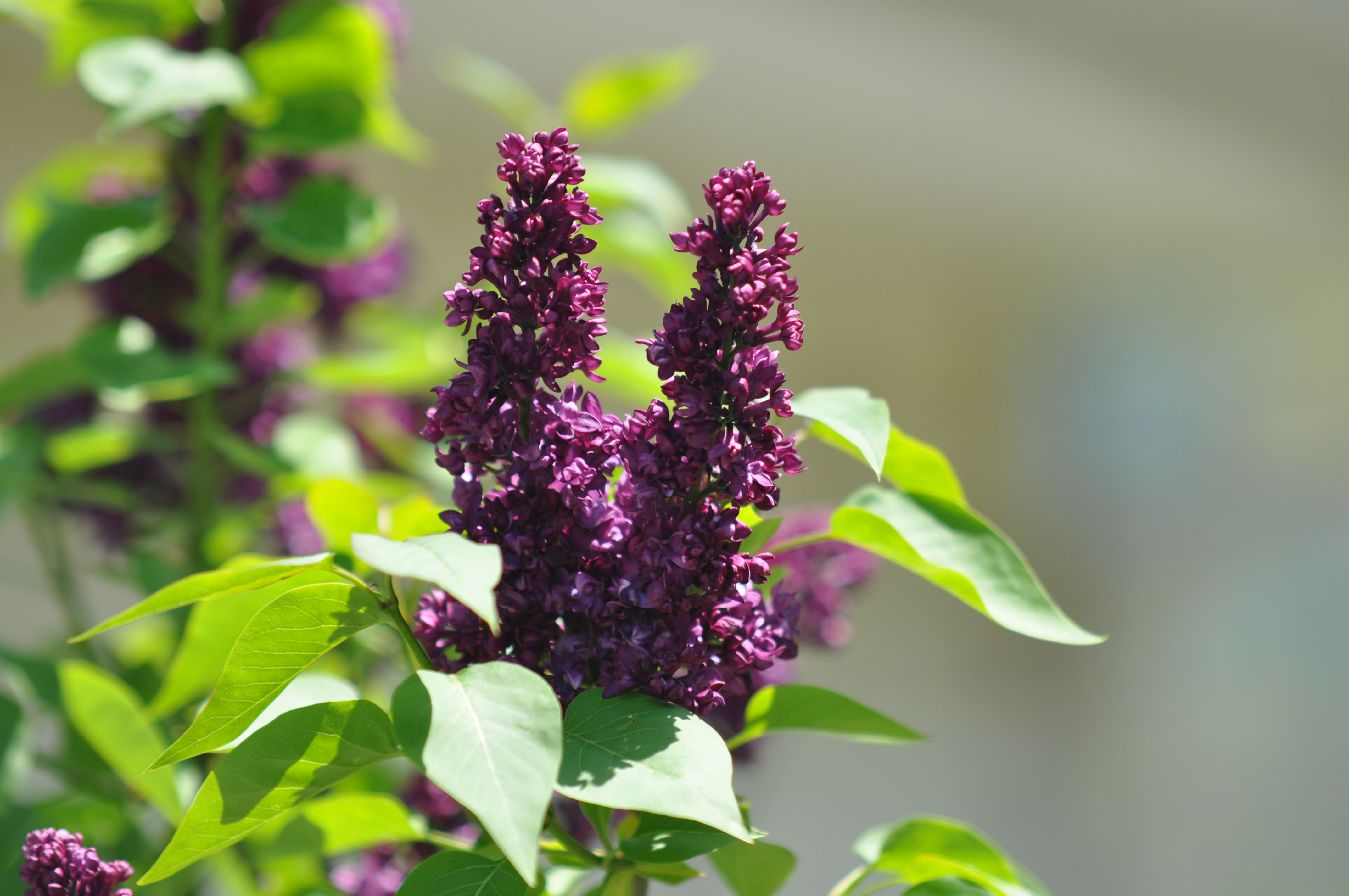
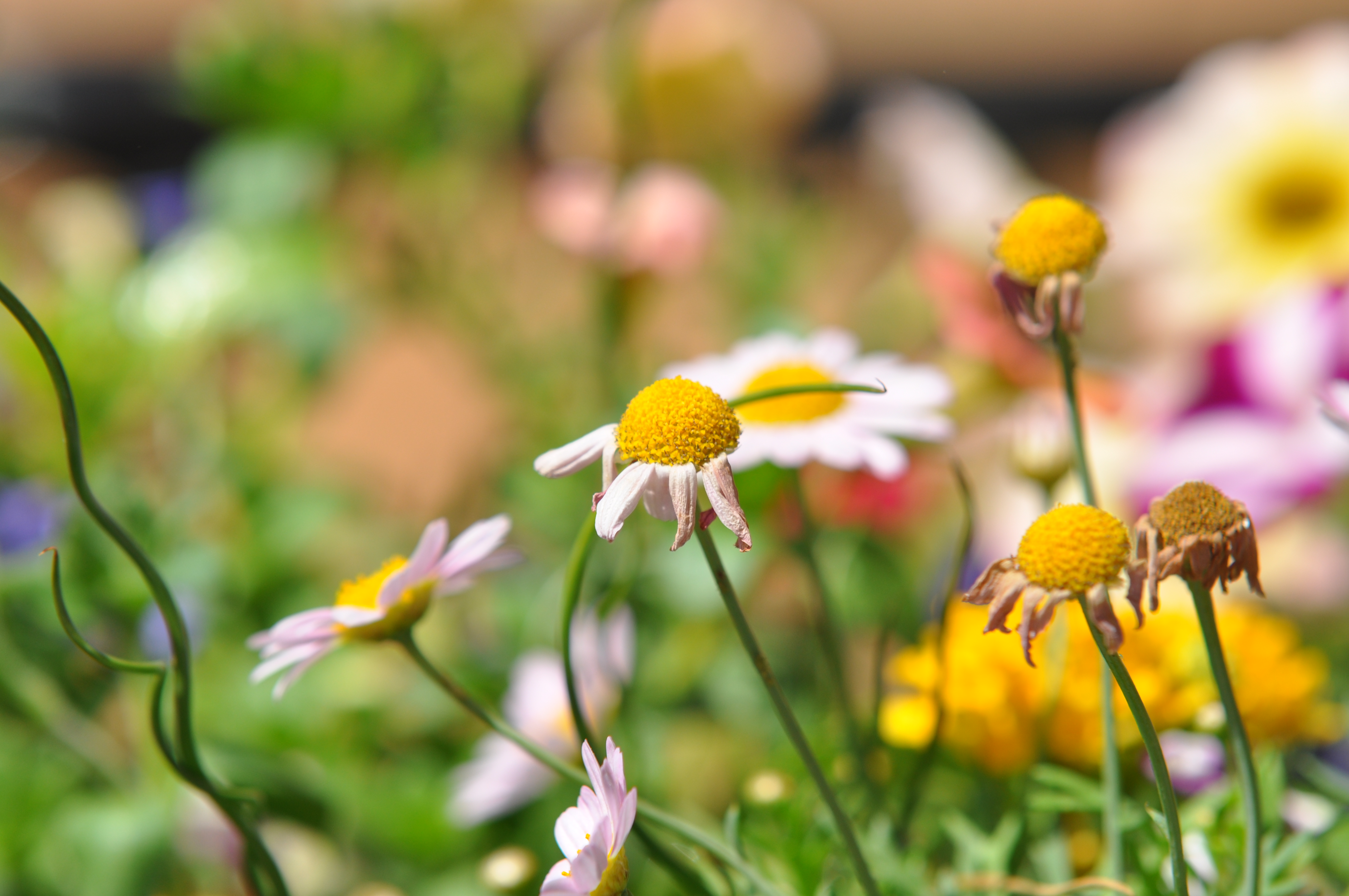
Greg took these pictures today. The first few are of a flowering lilac bush in our backyard. The others are of a flowering plant my parents gave us for our 24th wedding anniversary, which was last Monday.  DSC_0001DSC_0002DSC_0008DSC_0014DSC_0016DSC_0018

Hard, But Not Horrible

261854253_1b7165aa9a_z

A few weeks ago I listened to a podcast with Sharon Salzberg, best-selling author of Real Happiness, talking about “equanimity.” Now there’s a deep-sounding word that I’ve heard, but never really understood. Leave it to Sharon to explain a big concept in a practical way, with a touch of humor and wit thrown in for good measure.

The part of her talk that has stayed with me the most is this story she told. Imagine that there is a quite elderly person sitting in a park watching children play.  Now this is someone who has seen a thing or two—someone who has lived a full, seasoned life. This quite elderly person sees a child who is playing in the sand with a dump truck and a shovel. The shovel breaks and the child “freaks out”, cries, etc. Now how does this quite elderly person, with the wisdom of these years, react? Does he or she go up to the child and say, “What are you crying about. Wait until you have a real problem.” Of course not. That would be cruel. On the flip side, does this quite elderly person fall down on the ground sobbing right along with the child? Again, no. The quite elderly person has the perspective to know that it’s just a toy shovel. Shovels break. That is the nature of life. (By the way, Sharon really did keep saying “this quite elderly person.”)

She said that sometimes people mistakenly think that equanimity is detached and passive. But it’s not. If you are going to tell someone your problems, do you want someone to get as upset as you are? No. If that happened, you’d think to yourself, “Whoa, this problem really must be bad.” You want someone to have BOTH compassion and understanding AND the perspective that this situation is not forever. You want someone to give you a sense that there are options and possibilities…not that you’re stuck.

4257485778_f2f60e67da_zAnyone who has read this blog from the beginning, knows that I’m extremely sensitive. It’s a part of myself that I’ve often not liked and struggled to accept. One particular aspect of this sensitivity that I’ve HATED is that I cry easily. It can be very annoying to cry at inopportune moments, or to cry for so long and hard that your eyes are puffy and red for hours afterward.

In a way, I’ve been the kind of person who really might cry at a broken shovel. Thankfully, I’ve grown enough this past year that I’m not going to judge myself for it. It’s just something to notice and work on.

Since I’ve heard the story about the child and the broken shovel, I’ve been trying to take the perspective of the quite elderly person who has wisdom and perspective. I’ve adopted the phrase, “This is hard, but it’s not horrible.” To me, that phrase validates my experience, whatever it is. Yes, I’m sad.  Or yes, I’m in pain. But that doesn’t mean it will last forever. And it doesn’t mean I can’t handle it.

I am super excited because twice now I’ve been able to stop myself from a full-blown sob fest by remembering this story and saying these words to myself… “hard, but not horrible”. I know that stopping myself from crying is not the goal, per se (although having a little bit of control over my feelings would be nice). The goal is to see possibility. The goal is to sense spaciousness. The goal is to develop balance.

And of course, as I’ve said the words to myself, “It’s hard but not horrible,” I’ve said them in a gentle tone of voice; perhaps the tone of voice that a quite elderly person would use.

RealhappinessbookcoverpicYou can hear the full podcast here, which was recorded live at The Interdependence Project in NYC in 2012. You can tell it’s New York. You can hear sirens and horns honking in the background of the talk.

Sharon Salzberg’s website is here.

I highly recommend her book, Real Happiness: The Power of Meditation.

Photo Credit: Matt McGee, flickr, CC and Pink Sherbet Photography 

Waking Up from the Trance of Unworthiness: Part Two

images-4I am loving this Sounds True audio/video series on self-acceptance. For those who learn better by reading, here is part two of a rough transcript of the session with Tara Brach, Ph.D. (I watched on one computer, paused it as I went, and dictated into my phone.) I am breaking it into two posts, as it got a little long. You can still listen to this interview online here. And if you didn’t read part one, you can do so here.

Tara’s first book Radical Acceptance helped me so much on a personal level, and I frequently recommended it to my clients over the years. Her newest book is called True Refuge: Finding Peace and Freedom in Your Own Awakened Heart. I have already read it once, and I highly recommend it.

In this episode, Tami Simon speaks with Tara Brach, PhD, clinical psychologist and founder of the Insight Meditation Community of Washington. Tara has been practicing and teaching meditation since 1975 and has led Buddhist meditation retreats at centers throughout North America. Her audio programs with Sounds True include Radical Self-Acceptance: A Buddhist Guide to Freeing Yourself from Shame and Finding True Refuge: Meditations for Difficult Times

Tami: Do you think our trance of unworthiness has something to do with our contemporary society, or is it something that’s always gone on?

Tara: I think both. We are hard-wired to feel separate and to look for  something to go wrong. It’s called our “negative bias” and it’s designed to keep us safe. But it’s a very quick step to thinking that something is wrong in the environment to thinking, “I’m wrong.” So there is a deficiency mind-set that comes with being human.

But there’s also a cultural component. Particularly in the West, we have very few natural ways of belonging in which we can experience our basic goodness. We live in a fear-based culture that over consumes and is competitive. We are not invited toward feeling contentment. We’re not invited to relax and say, “This moment is enough.” That would stop the economy in its tracks. Our culture feeds the sense that I should be better. I should be more.
images-7The tend-befriend aspect of our wiring is there, too. It’s just not as well cultivated, and it takes training. But once we get that we’re suffering because we are at war with ourselves, there can be a very deep, sincere commitment to embracing our own being and embracing life everywhere.

One way to wake up the “compassion neural networks” is the idea of conscious community: A place where we share our vulnerabilities; we mirror back each other’s goodness; we take inevitable conflicts and turn them into deeper understanding; and we listen deeply. There is a sense of belonging to each other.

Tami: Do you still struggle with self-acceptance in your own life? Do you still go into the trance of unworthiness?

Tara: Yes. Sometimes I will find I am in a bad mood and I’ll scrape below the surface and I realize I’m down on myself. Sometimes I feel I’m falling short as a friend or in caring for my aging mother.  Or I think I wasn’t as present for a talk as I would’ve liked to be. Sometimes if I know I’ve hurt someone, it can feel very “sticky.” The difference between then (say 15 year ago, although it’s been a gradual shift) and now is there is less lag time. I more quickly recognize that I am caught up in the trance–in the thoughts and beliefs of an unworthy self. The other difference is that I recognize the thoughts and feelings, but I don’t believe them as much. The feelings are there and the thoughts are there, but the sense of who I am beyond the self that I am judging is much more alive and accessible. I know that there is a loving heart, a being here, an awareness that isn’t so identified with the unworthy self. But I still have to find my way back.

One of the ways I find my way back, and I talk about this a lot in my teaching, is by thinking about this metaphor:

Photo by macinate via Flickr Creative Commons

Photo by macinate via Flickr Creative Commons

Imagine you are walking through the woods and you see a small dog. You think the dog is cute and you approach the dog, wanting to pet it. It suddenly snarls and tries to bite you. The dog no longer seems cute and you may feel some fear and anger. As the wind blows, the leaves on the ground are carried away and you see the dog has one of its legs caught in a trap. Now, you feel compassion for the dog. You know it became aggressive because it is in pain and suffering. (I also wrote about this story in the piece, Leaving Judgement Behind.) You go from being angry, to this poor thing.

I pause and get that in some way my leg is in the trap. The thing I’m judging is coming from a place of pain. Then I soften and I can be present with feelings  and offer kindness to myself. I’m able to loosen the grip and arrive more fully at that sense of who I am when I’m not trapped in the trance.

Tami: I want to tell people about this tool of RAIN that you are known for. Will you explain it?

Tara: When we’re stuck in the trance,  we may have a vague sense that we are there, but it’s so hard to get out that state. We get reactive and we stir things up more. So this acronym of RAIN is this easy to remember handle. When we’re caught in the trance of unworthiness, we can say to ourself, “OK, just pause.”

R, is to recognize what’s going on. All those thoughts of unworthiness are going on right here.

A stands for allow it to be there. We don’t try to get away from what’s going on. We deepen the pause.

I  is for investigate. We investigate with kindness. We bring a gentle attention to what’s going on. This is where we start loosening the grip. For example, when I turn on myself for being “the sick person” I sink below the feelings– I get under the story line– and I realize I have this core belief that if I’m this bad at being sick, I’ll never wake up and be free…I’ll never be enlightened. I can really feel the fear in the body.

N stands for not-identified with the unworthy self. It sounds like a dry concept, but it’s very freeing and liberating.

So RAIN is a way to detangle the trance. And it really comes down to a mindful awareness with kindness.

Tami: In classic Buddhist teaching we are taught that we are not this solid self that we think we are. How do you understand this paradox that we have to accept and be kind to ourself, when there may not even be a self there?

images-3Tara: I make a translation and think of it that what we are accepting is the life that’s right here. In actuality, what we are accepting is this feeling, this hurt, this sadness, this fear, this anxiety, this whatever… We are embracing the lived experience. What happens is that when we do this, the sense of the separate self dissolves anyway. All of us are doing this together. We’re all doing this project of embracing the life that’s right here–it’s pleasantness, it’s unpleasantness, and in doing so, we get the liberating realization that we are way beyond any story we might’ve told ourselves.

Read Part One of Tara’s interview.


Waking Up from the Trance of Unworthiness

images-3

I am loving this Sounds True audio/video series on self-acceptance. For those who learn better by reading, here is rough transcript of the session with Tara Brach, Ph.D. I watched on one computer, paused it as I went, and dictated into my phone. I am breaking it into two posts, as it got a little long. You can still listen to this interview online here.

Tara’s first book Radical Acceptance helped me so much on a personal level, and I frequently recommended it to my clients over the years. Her newest book is called True Refuge: Finding Peace and Freedom in Your Own Awakened Heart. I have already read it once, and I highly recommend it.

In this episode, Tami Simon speaks with Tara Brach, PhD, clinical psychologist and founder of the Insight Meditation Community of Washington. Tara has been practicing and teaching meditation since 1975 and has led Buddhist meditation retreats at centers throughout North America. Her audio programs with Sounds True include Radical Self-Acceptance: A Buddhist Guide to Freeing Yourself from Shame and Finding True Refuge: Meditations for Difficult Times

Tami: What was happening inside of you, and in your teaching, that got you in touch with this idea, this need for radical self-acceptance?

Tara: I realized that my deepest suffering was a sense of not being enough, and when it was very bad, even a sense of self-aversion. I saw it in my students and clients.

I believe that the sense of not being enough is the most pervasive suffering in our society.

I had a friend in college who was reading “Learning to Be Your Own Best Friend” and I thought,  “Oh my gosh, I am the furthest thing from that.” And it was even more than that—it was that I didn’t trust myself.

We don’t recognize what I call “the trance of unworthiness”–how much we are trapped in the sense of falling short. And usually it’s on every front in some way. It’s a background noise that’s always saying, “How am I doing now?” Usually we find there’s a gap in how we think we should be and our moment-to-moment awareness. In that gap, we feel like we are always not okay.

noname-1A palliative caregiver told me that the number one grief of the dying is that they didn’t live true to themselves. They lived according to the expectations of others, but not the truth of their own hearts. At the end, there was the sense that, “I didn’t live this life true to who I am.”

If I did a show of hands and asked how many people speak unkindly to themselves, every hand would go up. But I think what we don’t realize is the overall sense we have that, “Something is wrong with me,” and how it pervades our day. It contracts everything. It’s a deep feeling of being flawed and deficient. It’s a trance that imprisons our moments in a way that we’re not aware of.

Tami: What do you think wakes people up from this trance?

Tara: The suffering. For example, if you’re in a relationship and you realize “I can’t really be close to anyone.” If someone got to know me, they’d reject me.

The pain is a wake up to explore how we begin to stop the war against ourselves.

So it’s the suffering that starts as the wake up.

Tami: How do we learn to trust ourselves?

Let me give an example. A woman came up after a class and told me that she didn’t deserve to accept herself because she was not being a good parent to her five-year-old. She was yelling at her all the time and being critical. It’s true, her behavior wasn’t ideal. But I asked the woman, “Do you love your daughter?” She said, “Of course, I wouldn’t be so upset if I didn’t love her.” Then spend some time getting in touch with that feeling of loving your daughter, I told her. That you can trust. (Editorial note: I believe it was implied in the way Tara described the story that eventually radical self-acceptance gives way toward aligning your behavior with what is in your heart.)

We can’t trust our ego self. It is unreliable, out-of-control, striving, and afraid. A true sense of trust comes from connecting with the deeper part of our self, and that takes paying attention.

noname-4Often the pathway to acceptance comes from pausing when we feel unworthy. Training in learning to pause when you feel the suffering is critical. Victor Frankl said, “Between stimulus and response there is a space. In that space is our power to choose our response. In our response lies our growth and our freedom. So the first step is to pause.

Next, you have to deepen attention–to get underneath the thoughts and determine what is going on in the body and in the heart.

You have to bring awareness to just how painful it is. I call it the sense of “Ouch!”

It’s helpful to put your hand on your heart. All you need is the intention to be kind to that place of suffering. You can’t manufacture feeling kind, but you can say, “I want to be able to be gentle to this place that feels so bad.” Then there’s a shift. The shift is a move from the unworthy self to a compassionate presence that is witnessing the unworthy self.

In the past decade I have had bouts of sickness that have been very humbling. I can feel irritable and self-centered, and then I start not liking myself for being a “bad sick person”. I think I’m not being spiritual in how I’m being sick. The Buddha called it the second arrow. The first arrow is being feeling sick, and then the second arrow is feeling unworthy because I’m judging myself for not being a good sick person.

In part two, Tara talks about how she deals with her own feelings of unworthiness, the importance of conscious community, and how to use the tool called RAIN.

Now I Become Myself

Now I become myself. It’s taken

Time, many years and places;

I have been dissolved and shaken,

Worn other people’s faces,

Run madly, as if Time were there,

Terribly old, crying a warning,

‘Hurry, you will be dead before-‘

(What? Before you reach the morning?

Or the end of the poem is clear?

Or love safe in the walled city?)

Now to stand still, to be here,

Feel my own weight and density!

The black shadow on the paper

Is my hand; the shadow of a word

As thought shapes the shaper

Falls heavy on the page, is heard.

All fuses now, falls into place

From wish to action, word to silence,

My work, my love, my time, my face

Gathered into one intense

Gesture of growing like a plant.

As slowly as the ripening fruit

Fertile, detached, and always spent,

Falls but does not exhaust the root,

So all the poem is, can give,

Grows in me to become the song,

Made so and rooted by love.

Now there is time and Time is young.

O, in this single hour I live

All of myself and do not move.

I, the pursued, who madly ran,

Stand still, stand still, and stop the sun!

May Sarton

may_sarton